When it comes to losing body fat, your diet plays a crucial role. While exercise helps burn calories and builds muscle, what you eat determines your success.
Certain foods can enhance fat loss, improve metabolism, and keep you feeling fuller for longer, helping you to reach your goals more efficiently. This article will explore 10 important foods you should include in your diet to lose body fat, all backed by science.
1. Lean Protein Sources
Protein is essential for fat loss. It helps you maintain muscle mass, which in turn keeps your metabolism running efficiently. Muscle burns more calories than fat even at rest, so the more muscle you have, the better your body is at burning fat. Furthermore, protein has a high thermic effect, meaning your body burns more calories digesting and metabolising it compared to fats or carbohydrates (Paddon-Jones et al., 2008). Lean protein sources like chicken breast, turkey, lean beef, and fish are excellent options.
In a study published by Leidy et al. (2015), participants who consumed a high-protein diet experienced more significant fat loss than those on a moderate or low-protein diet. Protein also increases feelings of fullness, which can help reduce calorie intake throughout the day.
2. Eggs
Eggs are a powerful food for fat loss. Rich in high-quality protein, healthy fats, and essential vitamins, eggs have been shown to support weight management and fat reduction. Studies suggest that eating eggs for breakfast can help you feel more satisfied and consume fewer calories later in the day. This effect is attributed to the protein content in eggs, which can increase satiety hormones (Ratliff et al., 2010).

A study by Vander Wal et al. (2005) demonstrated that overweight individuals who ate eggs for breakfast lost more weight and had a lower body fat percentage than those who consumed a bagel breakfast of equal calories.
3. Leafy Greens
Leafy greens like spinach, kale, and collard greens are incredibly nutrient-dense while being very low in calories. They are packed with fibre, which aids in digestion and promotes satiety. Fibre helps slow down the digestion process, preventing spikes in blood sugar levels and reducing hunger.

Leafy greens also contain calcium, which has been linked to fat-burning processes. Research published in the Journal of Nutrition found that calcium can aid fat loss, especially from the abdominal area, by regulating hormones involved in fat metabolism (Zemel, 2004).
4. Whole Grains
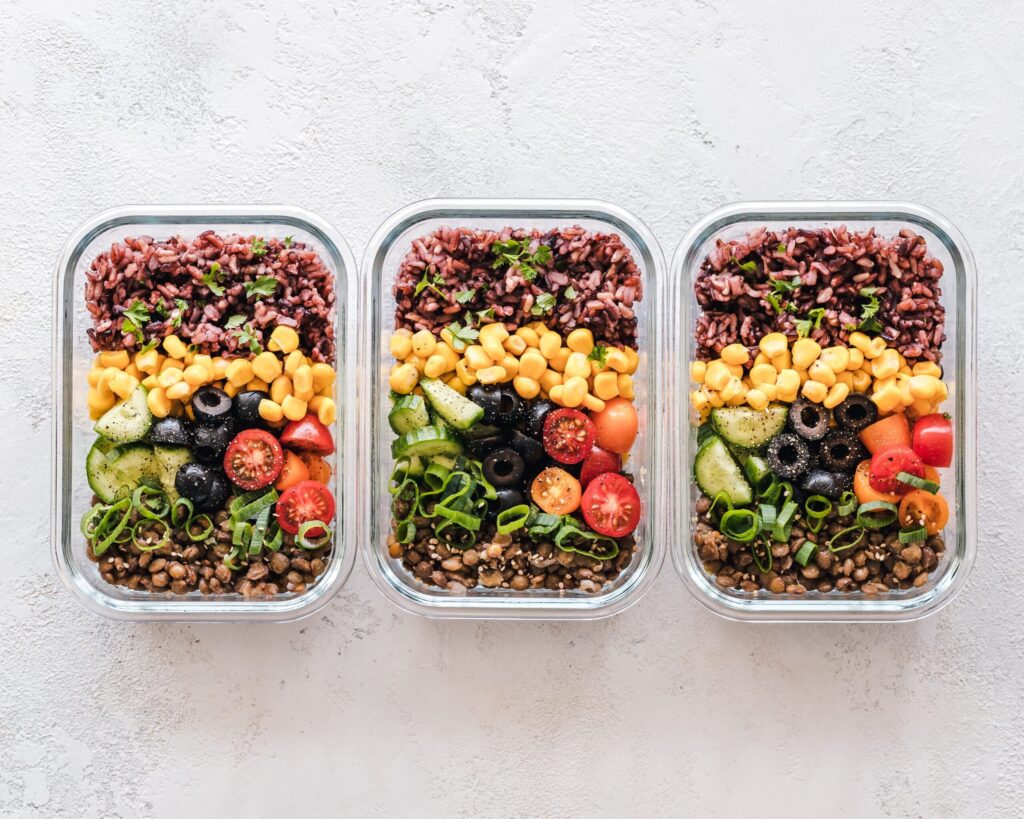
Contrary to popular belief, carbohydrates are not the enemy when trying to lose fat. However, the type of carbohydrates you choose is important. Whole grains like oats, quinoa, brown rice, and barley are high in fibre and essential nutrients, making them a better choice than refined carbohydrates.
A study published in the American Journal of Clinical Nutrition found that people who consumed whole grains over refined grains had a significant reduction in abdominal fat over a 12-week period (Katcher et al., 2008). Whole grains can stabilise blood sugar levels, prevent insulin spikes, and keep you feeling full for longer periods, which can help with fat loss.
5. Nuts and Seeds
Nuts and seeds like almonds, chia seeds, and flaxseeds are rich in healthy fats, fibre, and protein, making them ideal snacks for fat loss. The combination of these macronutrients ensures a steady release of energy, keeping hunger at bay and preventing overeating. In particular, the fibre content helps slow digestion and enhances feelings of fullness.

Almonds have been shown to boost fat loss. In a study published in the International Journal of Obesity, individuals who included almonds in their calorie-restricted diet lost more body fat than those who ate complex carbohydrates (Wein et al., 2003). Omega-3 fatty acids, found in flaxseeds and chia seeds, also play a role in fat metabolism and may reduce the storage of body fat.
6. Greek Yoghurt
Greek yoghurt is a potent food for fat loss due to its high protein content and probiotics. Protein helps maintain muscle mass during weight loss, and the probiotics in yoghurt improve gut health, which is linked to a healthy metabolism and fat regulation.
A study conducted by Zemel et al. (2005) showed that participants who included yoghurt in their diet lost 61% more body fat than those who didn’t. The calcium content in yoghurt also contributes to fat metabolism, particularly in the abdominal region.
7. Fatty Fish
Fatty fish such as salmon, mackerel, sardines, and trout are rich in omega-3 fatty acids, which play an essential role in fat loss. Omega-3s can reduce inflammation, which is often linked to obesity and metabolic disorders. Additionally, they improve insulin sensitivity, allowing your body to use carbohydrates more effectively instead of storing them as fat.

A study published in Obesity Research found that omega-3s from fish oil can reduce abdominal fat in overweight individuals (Couet et al., 1997). Furthermore, the protein in fish promotes satiety and reduces overall calorie intake.
8. Berries
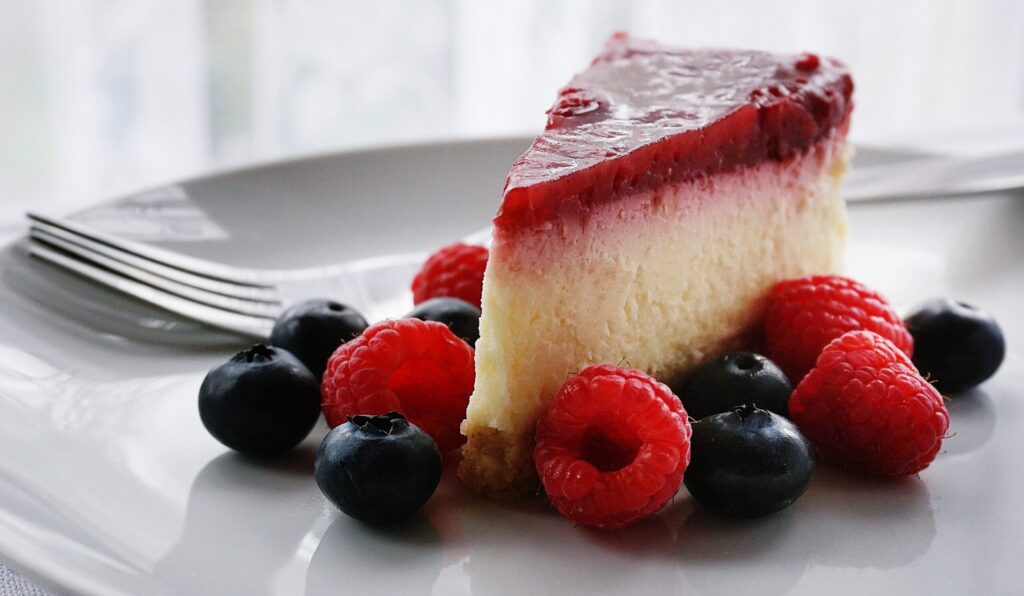
Berries like blueberries, strawberries, and raspberries are low in calories but high in fibre and antioxidants. The fibre content helps control hunger by slowing digestion and maintaining stable blood sugar levels, while antioxidants fight inflammation, a factor that contributes to weight gain.
A study published in the Journal of Nutrition demonstrated that the polyphenols found in berries can help reduce the formation of fat cells and promote fat breakdown (Basu et al., 2010). Incorporating berries into your diet can support overall fat loss while providing essential nutrients.
9. Green Tea
Green tea has long been associated with fat loss due to its high content of catechins, a type of antioxidant that can boost metabolism and increase fat burning. Studies have shown that green tea can enhance fat oxidation, particularly during exercise, making it an excellent addition to a fat-loss diet.

Research published in the American Journal of Clinical Nutrition found that individuals who consumed green tea extract experienced a significant increase in fat burning and metabolic rate compared to those who didn’t (Dulloo et al., 1999). Green tea also helps regulate blood sugar levels, further aiding fat loss efforts.
10. Avocados
Avocados are packed with healthy fats, particularly monounsaturated fats, which have been linked to fat loss, especially in the abdominal region. These healthy fats can reduce cravings and improve satiety, preventing overeating.
A study in the Nutrition Journal found that participants who ate half an avocado at lunch felt more satisfied and had a reduced desire to eat for hours afterward, compared to those who didn’t include avocado in their meal (Wien et al., 2013). Additionally, the fibre content in avocados supports healthy digestion and prevents spikes in blood sugar, both of which contribute to fat loss.
Conclusion
To lose body fat, focusing on nutrient-dense, whole foods is essential. The 10 foods mentioned in this article—lean protein sources, eggs, leafy greens, whole grains, nuts and seeds, Greek yoghurt, fatty fish, berries, green tea, and avocados—have been scientifically proven to support fat loss in various ways, whether through boosting metabolism, promoting satiety, or improving overall health. Incorporating these foods into your diet, alongside regular exercise and a calorie-controlled plan, can help you achieve sustainable fat loss and improve your overall well-being.
Key Takeaways Table:
| Food | Benefit for Fat Loss |
|---|---|
| Lean Protein | Increases muscle mass and metabolism |
| Eggs | Promotes satiety and reduces overall calorie intake |
| Leafy Greens | High in fibre, supports digestion, and aids fat metabolism |
| Whole Grains | Reduces abdominal fat and controls blood sugar levels |
| Nuts and Seeds | Provides healthy fats, protein, and fibre for satiety |
| Greek Yoghurt | High in protein and probiotics, supports fat metabolism |
| Fatty Fish | Rich in omega-3s, improves insulin sensitivity |
| Berries | Contains antioxidants that promote fat breakdown |
| Green Tea | Boosts metabolism and enhances fat oxidation |
| Avocados | High in healthy fats, reduces cravings and hunger |
Bibliography
Basu, A., Rhone, M., and Lyons, T.J., 2010. Berries: emerging impact on cardiovascular health. Journal of Nutrition, 140(9), pp.1833-1837.
Couet, C., Delarue, J., Ritz, P., Antoine, J.M., and Lamisse, F., 1997. Effect of dietary fish oil on body fat mass and basal fat oxidation in healthy adults. Obesity Research, 5(5), pp.91-95.
Dulloo, A.G., Duret, C., Rohrer, D., Girardier, L., Mensi, N., Fathi, M., Chantre, P., and Vandermander, J., 1999. Efficacy of a green tea extract rich in catechin polyphenols and caffeine in increasing 24-hour energy expenditure and fat oxidation in humans. American Journal of Clinical Nutrition, 70(6), pp.1040-1045.
Katcher, H.I., Legro, R.S., Kunselman, A.R., Gillies, P.J., Demers, L.M., Bagshaw, D.M., and Kris-Etherton, P.M., 2008. The effects of a whole grain-enriched hypocaloric diet on cardiovascular disease risk factors in men and women with metabolic syndrome. American Journal of Clinical Nutrition, 87(1), pp.79-90.
Leidy, H.J., Clifton, P.M., Astrup, A., Wycherley, T.P., Westerterp-Plantenga, M.S., Luscombe-Marsh, N.D., Woods, S.C., and Mattes, R.D., 2015. The role of protein in weight loss and maintenance. American Journal of Clinical Nutrition, 101(6), pp.1320S-1329S.
Paddon-Jones, D., Westman, E., Mattes, R.D., Wolfe, R.R., Astrup, A., and Westerterp-Plantenga, M., 2008. Protein, weight management, and satiety. American Journal of Clinical Nutrition, 87(5), pp.1558S-1561S.
Ratliff, J., Leite, J.O., de Ogburn, R., Puglisi, M.J., VanHeest, J., Fernandez, M.L., and Fernandez, M.L., 2010. Consuming eggs for breakfast influences plasma glucose and ghrelin, while reducing energy intake during the next 24 hours in adult men. Nutrition Research, 30(2), pp.96-103.
Vander Wal, J.S., Gupta, A., Khosla, P., and Dhurandhar, N.V., 2005. Egg breakfast enhances weight loss. International Journal of Obesity, 29(3), pp.711-715.
Wein, J., Sabaté, J., and Ikle, D., 2003. Influence of almonds on body fat levels and waist circumference. International Journal of Obesity, 27(6), pp.805-813.
Wien, M., Haddad, E., Sabate, J., and Rajaram, S., 2013. Eating avocados can help you feel full and reduce calorie intake. Nutrition Journal, 12(1), pp.38-45.
Zemel, M.B., 2004. Role of calcium and dairy products in energy partitioning and weight management. Journal of Nutrition, 134(4), pp.1005S-1010S.
Zemel, M.B., Thompson, W., Milstead, A., Morris, K., and Campbell, P., 2005. Calcium and dairy acceleration of weight and fat loss during energy restriction in obese adults. Obesity Research, 13(7), pp.1217-1224.