Do you know which cardio you should be doing to lose weight correctly? That depends a lot on what your current body fat percentage level is.
Starting a fitness journey focused on losing fat and building muscle can be challenging, but with the right knowledge and tools, achieving your goals is entirely possible. Mike Diamonds’ journey in the fitness industry is a testament to the power of targeted cardiovascular strategies for achieving significant body composition changes.
Dr. Mike Diamond is a former medical doctor who is now an online fitness coach and YouTuber. He has got more than a million subscribers to his channel and usually uses himself in his body transformation as an example of how he can help people become their better selves. He is also the founder of a website called “Sculpt by Science.”
Having experienced fluctuating body fat levels himself—from over 30% down to single digits—Mike has not only transformed his own physique but has also mastered the art of helping others achieve similar results. His approach to fitness is grounded in a deep understanding of the scientific principles that govern body fat reduction and muscle maintenance.
As a professional natural bodybuilder and a certified expert, Mike emphasizes the importance of adapting cardiovascular exercises to one’s specific body fat percentage. This personalized approach is crucial, as it tailors the intensity and type of cardio to effectively optimize fat loss and muscle preservation based on individual needs. Through his career, Mike has developed a four-step cardio framework that has proven effective for a wide range of clients, from those just starting their weight loss journey to seasoned athletes looking to fine-tune their physique.
Mike’s credentials extend beyond the gym; as a scientist with a background in biochemistry and microbiology and as a practicing medical doctor, his fitness philosophy is infused with a rigorous scientific approach. This unique combination of hands-on experience and scientific knowledge allows Mike to create cardio programs that are not only effective but also sustainable and safe for individuals at different stages of their fitness journey.
In the following sections, we delve deeper into Mike Diamonds’ tailored cardio strategies, exploring how specific routines can be adjusted according to various body fat percentages to maximize fat loss. His comprehensive method demonstrates how strategic cardio, when implemented correctly, can lead to dramatic improvements in body composition, health, and overall well-being.
So let’s dive deeper into which cardio you should be doing according to your body fat percentage, as explained by Mike Diamonds.
Related: 30 Minutes Of Jump Rope Every Day For 30 Days – What Happens to Your Body?
How to Measure Your Body Fat Percentage
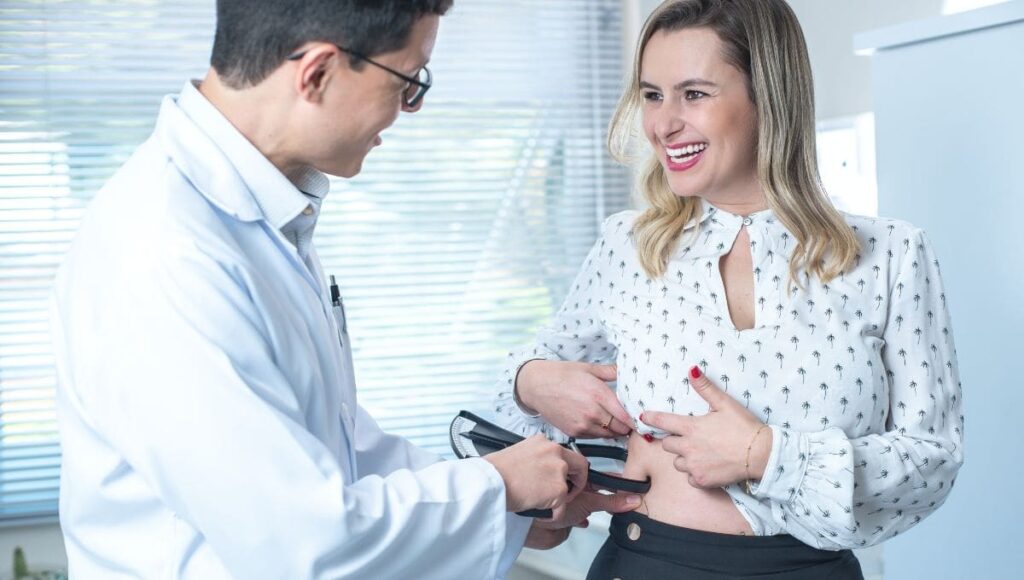
Determining your body fat percentage is crucial for tailoring fitness and nutrition strategies to your specific needs. Here are several methods you can use to measure your body fat, each varying in accessibility, cost, and accuracy:
1. Bioelectrical Impedance Analysis (BIA)
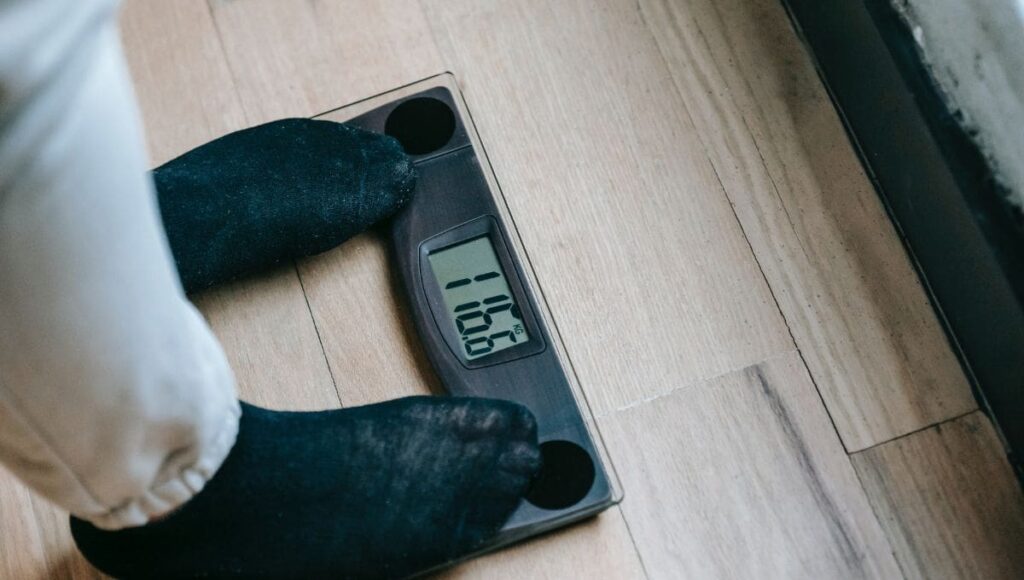
Bioelectrical impedance scales and devices send a weak electrical current through your body to estimate body fat percentage, based on the principle that fatty tissue resists electricity more than muscle. These devices are widely available in gyms and for home use. While convenient, they can be less accurate than other methods and may be influenced by hydration levels and recent food intake.
2. Skinfold Calipers
This method involves measuring the thickness of skin folds at various parts of your body using calipers. The measurements are then entered into an equation to estimate body fat percentage. Skinfold measurements can be quite accurate when performed correctly, but they require technique and consistency in measurement.
3. Hydrostatic Weighing
Often considered a gold standard, hydrostatic weighing involves submerging yourself in water to measure body density. The technique assumes that denser parts of your body are lean mass. This method is highly accurate but can be less accessible due to the need for specialized equipment and facilities.
4. Dual-Energy X-ray Absorptiometry (DEXA) Scan
A DEXA scan is a medical procedure that uses X-rays to differentiate between bone mass, fat mass, and muscle mass throughout your entire body. It provides detailed and accurate results, but due to its cost and the need for medical equipment, it is less accessible for routine checks.
5. Air Displacement Plethysmography (Bod Pod)
The Bod Pod uses air displacement to measure body volume and density. By sitting inside a small chamber, the machine calculates your body fat percentage based on air displacement. Like hydrostatic weighing, this method is highly accurate but requires access to specialized facilities.
6. Infrared Technology
Infrared devices measure body fat by sending an infrared light through parts of the body to estimate fat thickness. This method is less common and may vary in accuracy.
Tips for Accurate Measurement:
- Consistency: Always measure under similar conditions, such as the same time of day and under similar hydration and food intake conditions.
- Professional Assistance: When possible, have measurements done by a trained professional, especially for methods like skinfold calipers and hydrostatic weighing.
- Use Multiple Methods: For better accuracy over time, consider using more than one method to track changes in body fat.
Understanding your body fat percentage can significantly influence the effectiveness of your fitness and nutritional plan, making it a valuable tool for anyone serious about improving their health and body composition.
The Role of Cardio in Fat Loss
Embarking on a fitness journey can often be daunting, especially when it comes to losing fat and building muscle—the primary goals for many fitness enthusiasts and natural bodybuilders like myself.
Before diving into the specific cardio routines, it’s crucial to understand the science behind body fat reduction and muscle maintenance. As a scientist with a background in biochemistry and microbiology, and a practicing medical doctor, Diamonds’ fitness approach is deeply rooted in scientific principles.
How Running Once a Week Changes Your Body
Cardiovascular exercise is integral to any fat loss program. It helps boost metabolism, increase caloric burn, and can significantly improve your heart health. However, not all cardio is created equal. The type and intensity of cardio should be tailored to your current body composition to maximize fat loss while preserving lean muscle mass.
Which Cardio You Should Be Doing According to Your Body Fat Percentage
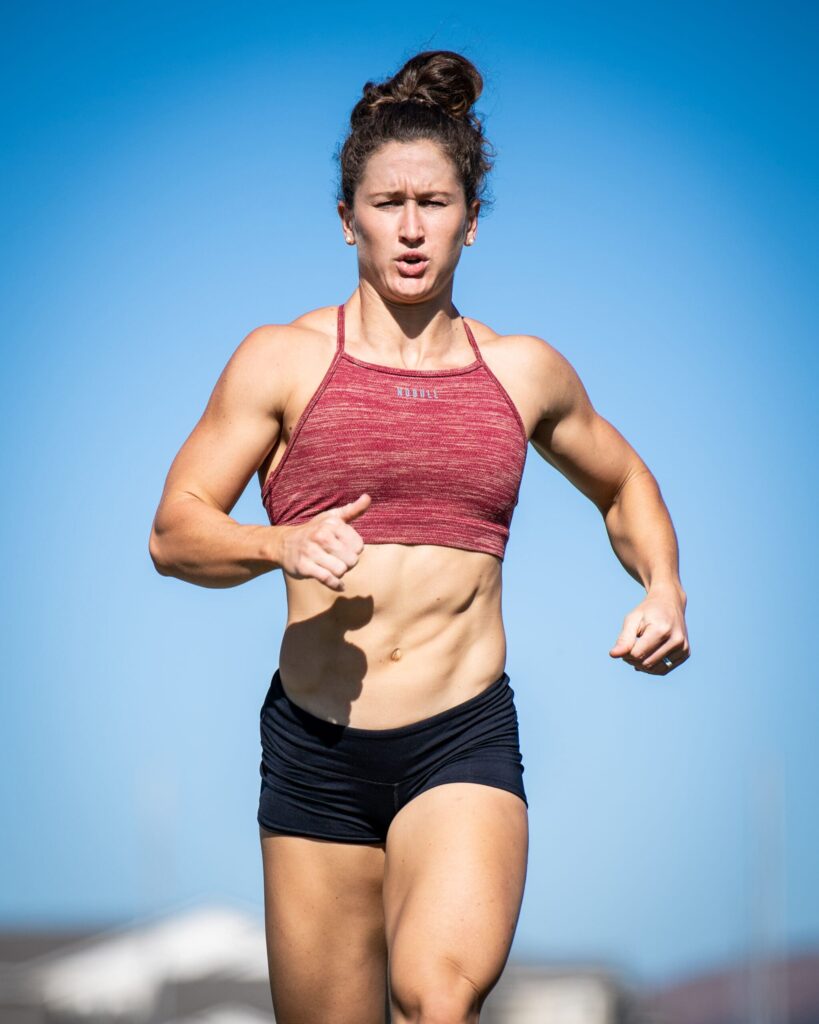
The effectiveness of your cardio routine can be significantly influenced by your body fat percentage. Here’s how you can customize your cardio based on different body fat levels:
Over 30% Body Fat
For those starting at a higher body fat percentage, the key is to initiate low-intensity, steady-state cardio (LISS). Walking or cycling at a moderate pace can be incredibly effective without being too taxing on the body. At this stage, the focus should be on consistency and gradually increasing activity levels.
How to Combine HIIT and LISS to Lose Fat Faster
20% to 30% Body Fat
As your body begins to adapt, incorporating more structured cardio sessions, such as interval training, can help accelerate fat loss. This might include sessions on the treadmill or elliptical, where you alternate between high and low intensities.
Under 20% Body Fat
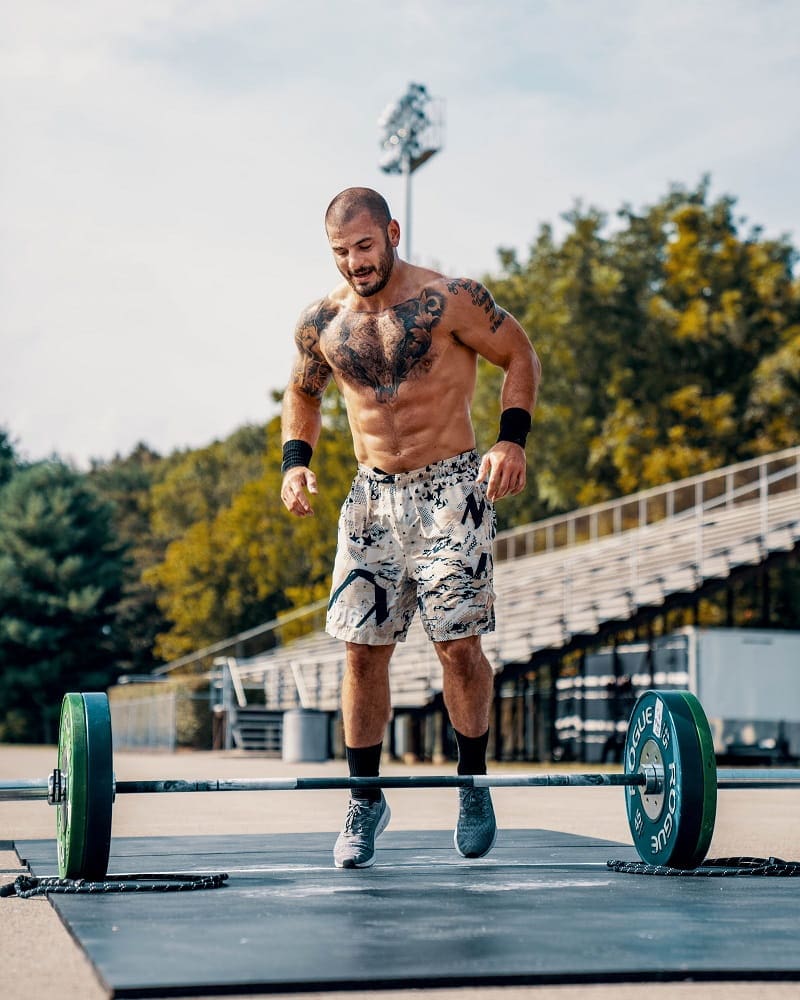
For lower body fat levels, more aggressive forms of cardio such as High-Intensity Interval Training (HIIT) can be introduced. These sessions are shorter but much more intense, pushing your body to burn calories at a higher rate even after the exercise is over.
Personalizing Your Cardio: Real-Life Success Stories
To illustrate the impact of personalized cardio plans, let’s look at the transformations of some of Diamonds’ clients:
- Sandra: Starting at 270 pounds with 31% body fat, Sandra managed to drop to 163 pounds and 16% body fat through a tailored routine that included a mix of LISS and HIIT, alongside dietary adjustments.
- Nicholas: Focusing solely on interval training, Nicholas lost 29 pounds in 16 weeks, showcasing the power of specific, intense cardio sessions adjusted to individual needs.
How to Do Zone 2 Cardio (And Why You Should Do It)
Cardio, when done correctly and tailored to one’s specific body fat percentage, can dramatically transform your physique. It’s not just about losing weight—it’s about losing fat and gaining muscle, enhancing your overall health, and achieving your personal fitness goals. Whether you’re just starting out or are looking to fine-tune your routine, understanding and applying these principles can lead you to success.
Remember, the key to effective cardio is not just persistence but also adaptability. Adjust your workouts as your body changes and continue to challenge yourself to achieve the best results.
Watch Mike Diamonds’ video below for more information about which cardio you should be doing according to your body fat percentage.
Read Also: How to Do HIIT Cardio to Get To 10% Body Fat