Understand why 93% of women don’t lose belly fat, sadly. But not everything needs to be bad news – check out what you should be doing to achieve what most can’t.
Over the past decade, the quest for weight loss has been a constant struggle for many, particularly among women. Despite numerous attempts, about 93% of women have not succeeded in losing their belly fat. This persistent issue raises several questions about the underlying reasons that hinder progress. From hormonal changes to lifestyle choices, various factors contribute to this challenge.
The information for this article is largely based on a video shared by Mike Diamonds in which he discusses why 93% of women don’t lose belly fat and what you should be doing to actually achieve that.
Dr. Mike Diamond is a former medical doctor who is now an online fitness coach and YouTuber. He has got more than a million subscribers to his channel and usually uses himself in his body transformation as an example of how he can help people become their better selves. He is also the founder of a website called “Sculpt by Science.”
As a natural professional bodybuilder and a medical doctor, Diamonds have experienced multiple transformations and coached numerous individuals, both men and women, helping them overcome barriers to reach their fitness goals. This article aims to highlight the specific obstacles women face in their weight loss journey and provide practical solutions to overcome them.

Why 93% of Women Struggle to Lose Belly Fat: The Real Reasons and Solutions
One of the primary reasons women struggle to lose belly fat is a lack of understanding of their own bodies, particularly during their menstrual cycle and menopause. The menstrual cycle, which spans approximately 28 days, involves significant hormonal fluctuations that impact various bodily functions, including appetite and metabolism. During the menstrual cycle, the body undergoes hormonal changes aimed at preparing for a possible pregnancy. These changes can lead to increased cravings and variations in energy levels, making weight loss efforts more challenging.
The Impact of Hormonal Fluctuations
Hormones such as estrogen and progesterone play a crucial role in regulating appetite and metabolism. In the early part of the follicular phase, both estrogen and progesterone levels are low. As the cycle progresses, estrogen levels rise sharply, peaking right before ovulation, then declining before rising again in the luteal phase. Progesterone, on the other hand, remains low during the follicular phase but increases significantly after ovulation. These hormonal fluctuations can cause variations in appetite and cravings, often leading to increased calorie intake during certain phases of the cycle.
Menopause and Weight Gain
Menopause marks the end of a woman’s menstrual cycles and typically occurs between the ages of 45 and 55. This transition involves a significant drop in hormone levels, particularly estrogen and progesterone, which can lead to various symptoms such as weight gain, anxiety, and cravings for sweets or carbs. Lower testosterone levels post-menopause also contribute to decreased muscle mass and a slower metabolism, making weight loss more difficult. Women in menopause often experience weight gain at a rate of approximately 1.5 pounds per year, primarily due to hormonal changes and lifestyle factors.
Misconceptions About Contraceptive Pills
Another factor that can hinder weight loss efforts is the use of contraceptive pills. These pills can cause water retention and stimulate appetite due to the presence of progestins and estrogen. The synthetic estrogen in contraceptive pills is significantly more potent than the natural kind, leading to more consistent hormone levels and increased water retention. This can result in a feeling of weight gain and hinder weight loss progress.
The Effects of Severe Undereating

Many women resort to drastic calorie reduction in an attempt to lose weight quickly. However, eating below 1,200 calories per day can backfire, slowing down metabolism and leading to hormonal imbalances. Severe undereating can cause the body to adapt by conserving energy, making weight loss harder. Additionally, it increases the risk of nutrient deficiencies and can lead to a rebound effect, where lost weight is quickly regained once normal eating patterns are resumed.
How To Create The Optimal Caloric Deficit For Fat Loss
Importance of Proper Macronutrient Ratios
Undereating protein is another common issue among women trying to lose weight. Protein is essential for preserving muscle mass during weight loss and is more satiating than carbs and fats, helping to reduce overall calorie intake. Women often focus on eating low-calorie foods like salads but neglect to consume adequate protein. This can result in muscle loss and a slower metabolism, making it harder to achieve sustainable weight loss.
Setting Realistic Expectations
Many women set unrealistic weight loss goals and expect rapid results. This can lead to discouragement and a return to unhealthy habits when quick progress is not seen. It’s important to understand that healthy weight loss is a gradual process that requires patience and consistency. Setting realistic goals and focusing on long-term lifestyle changes rather than quick fixes is crucial for sustainable success.
14 Tricks to Lose Belly Fat Effortlessly
Overemphasis on Cardio
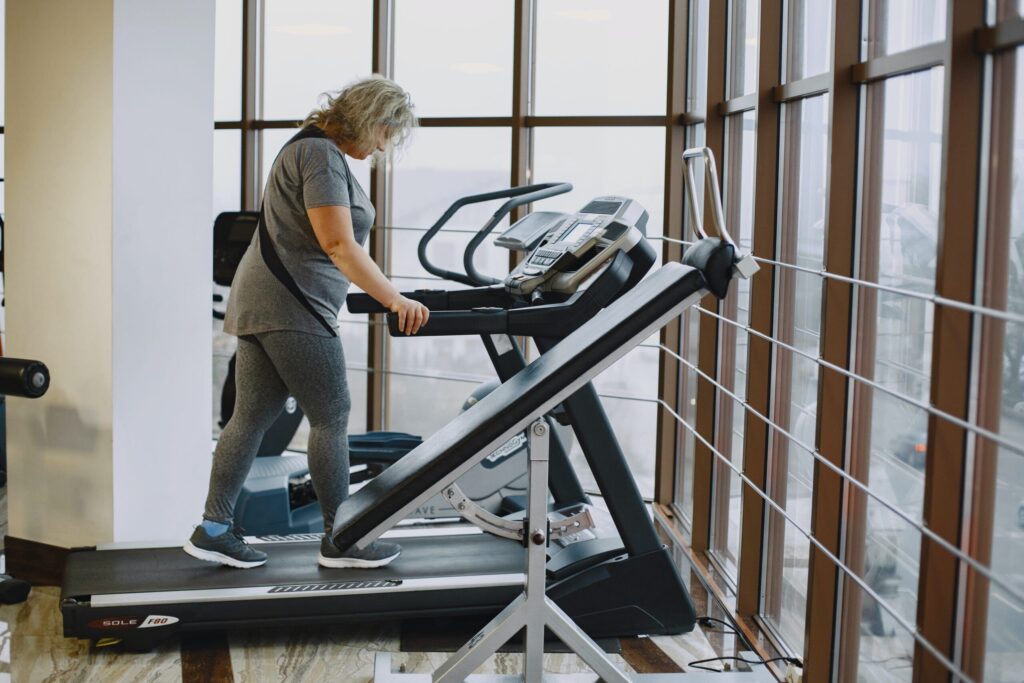
While cardio can aid in weight loss, overdoing it can lead to chronic stress and inflammation, which can inhibit fat loss and promote fat storage. Excessive cardio can trigger the release of cortisol, a stress hormone that can lead to weight gain, particularly around the belly. A balanced approach that includes resistance training is essential for effective weight loss and overall fitness.
Cardio vs Weights: Which is Better for Fat Loss?
The Role of Resistance Training
Resistance training is often overlooked by women due to the misconception that it will lead to bulky muscles. However, weightlifting is crucial for preserving muscle mass, boosting metabolism, and achieving sustainable weight loss. Muscle tissue is metabolically active, meaning it burns more calories even at rest. Incorporating resistance training into a fitness routine can enhance fat loss and improve body composition.

The journey to losing belly fat is complex and influenced by various factors, including hormonal changes, lifestyle choices, and misconceptions about diet and exercise. Understanding these factors and making informed adjustments to diet and exercise routines can significantly improve weight loss efforts.
It’s important for women to educate themselves about their bodies, set realistic goals, and adopt a balanced approach to fitness that includes both cardio and resistance training. With the right knowledge and strategies, achieving sustainable weight loss and a healthier body is possible.
Watch the video from Diamonds below to fully understand why 93% of women don’t lose belly fat and what you should do for weight loss.
Read More: 3 Best Diet Rules to Get Shredded Quickly