“I’m not eating carbs because I want to lose weight.” How many times have you heard this statement? Well, we are here to try to put this myth to rest and show you why carbs are not your enemy, regardless if you want to lose fat or build muscle, or even both at the same time.
When a person is trying to lose weight, there are many factors that come into play to ultimately decide if you lose weight or if you gain weight. Some of the factors that contribute to that, that we more or less have no control over, are age and genetics – some medical predisposition might make you gain weight easier than other people who are living in the same environment. In the same instance, the older we get, the more likely we are to lose muscle mass, which in turn slows the metabolism and then inevitably helps with weight gain.
However, there are many other factors that people do have control over when it comes to losing fat – some of them are exercising, hydration, sleep and recovery, and stress management. However, the biggest, most important thing a person can change to transform their body is nutrition.
Nutrition is the base of everything to our body. If you eat well, you will get healthier and feel better. If you eat junk food consistently, chances are you feel tired and not motivated to do much – not to mention the health issues that come along such as diabetes, liver, or heart disease.
And since nutrition is the cataclysm to completely overturning one’s health, this is where it gets tricky – or better, it gets convoluted with information. There is so much to play around with in nutrition that whenever a new diet or detox juice comes along that promises fast results, people jump on it.
And what most of these new diets do is find a culprit for weight gain and completely demonise it. One of the biggest and most alluring enemies of people who are trying to begin their fat loss journey are carbs.
You probably heard or read something similar when researching a new diet to follow. The Keto Diet and the Paleo Diet, two traditional and up-and-coming diets, certainly fall into the category of pointing the finger at “carbs” and claiming it has found the formula to fat loss.
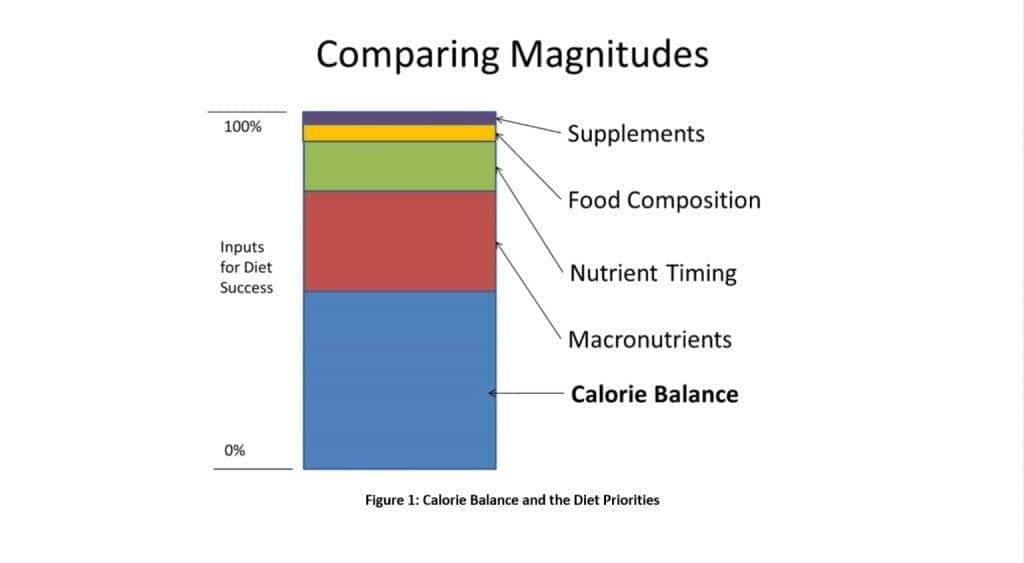
But we are going to say straight away that weight loss, and fat loss, occurs only when you are burning more calories than consuming.
Is it as simple as that? Eat less, move more? Yes, yes it is. Ultimately, calories in and calories out is what dictates the number on the scale when you weigh yourself.
So let’s dive deeper and understand why carbs are not your enemy.
What Are Carbs?
Carbohydrates, often referred to as carbs, are one of the three macronutrients found in foods that provide the body with energy, the other two being proteins and fats. They are the body’s primary energy source and play a vital role in the functioning of the internal organs, nervous system, and muscles. Carbs are commonly classified into two types: simple and complex.
Simple carbohydrates consist of one or two sugar molecules and are found in foods like fruits, milk, and milk products, as well as in processed and refined sugars such as candy, table sugar, syrups, and soft drinks. These carbs are quickly digested and absorbed, leading to a rapid increase in blood glucose and energy. However, the energy spike is usually followed by a swift drop, which can lead to fluctuations in energy levels and has been associated with increased hunger and overeating in some cases.
Complex carbohydrates, on the other hand, are made up of longer chains of sugar molecules and are found in whole-grain breads and cereals, starchy vegetables, and legumes. These carbs take longer to digest and thus provide a more sustained source of energy. They are generally packed with fibre, vitamins, and minerals, which are beneficial for digestion, heart health, and maintaining stable blood sugar levels.

Why Carbs Are NOT Your Enemy
For Muscle Gain
This one is actually very easy to understand and kind of impossible to figure out why someone who wants to get stronger would cut off carbs.
Carbohydrates can be considered the most important nutrients to propel your muscle growth, serving to fuel your workout and power your recovery. Your body needs plenty of muscle-stored glycogen during a resistance session. Repeatedly breaking down tissues for the same interval of time requires power.
It is without doubt indispensable for the workout where one needs to be at their peak, which would certainly not be possible had it not been a source of energy. In other words, in case of appropriate amount of carbohydrates not part of your diet plan, the glycogen reserve depletes soon and one starts feeling fatigue followed by decrease in performance hence hampering muscles.
To keep building muscle, you need to keep pushing your body more and more – this means you will train with heavier weights, do more reps, perhaps make the most out of muscle under tension. All of this requires energy that your body needs to perform these tasks at maximum level.
“Food is considered energy if it has calories. The calorie is the unit of energy we use, define how much energy a food provides,” says Justin Romaire, a nutrition coach, founder and CEO of Consistency Breeds Growth.
Some foods can boost your energy levels very quickly, while others are more sustainable in the long run. A quick energy boost would be perfect for an intense short sprint, while a slower energy food is more suitable for a long run, for example.

“Quick natural energy sources would be any high glycemic carbohydrate. Longer more sustained energy would come from complex carbohydrates,” Justin Romaire explains. Glycemic index (GI) is a value assigned to foods based on how slowly or quickly those foods cause increases in blood glucose levels.
So, if you are going for an all-out short sprint, you might want to eat white potatoes or dates. If you are running a half-marathon or doing something that requires energy for a longer period, perhaps oatmeal or sweet potatoes.
Related: 6 Natural Energy Sources to Power Your Body
Also, besides providing you with the required energy to exercise, carbs are equally important when an individual finally sets out to recover and build muscle. After exercising, the body moves into a recovery phase in which it repairs the micro-tears of the muscular structures caused by resistance training. And this is where the carbohydrate helps reload or refill now-discharged stores of glycogen. This will not only repair but also reload for your next workout. Furthermore, insulin secreted by the consumption of carbohydrates has a powerful anabolic stimulus on muscles due to increased protein synthesis and lower rates of protein catabolism.

It is important to realize that carbohydrates are protein-sparing nutrients and, as such, they are very important for muscle preservation and hypertrophy. In reality, if the carbohydrate intake is optimal, then proteins in the organism will be used only to a small extent for energy use. It remains there free for its first and the most important purpose: repair and building of tissues. This is of large significance for athletes and bodybuilders since the main goal is to increase muscle mass with the smallest possible gain of fat mass and the maintenance of a high anabolic condition where muscle tissues are in growth.
In conclusion, carbohydrates are not just a source of energy; they are a cornerstone of effective muscle growth and recovery strategies. They enable athletes to train intensely and recover more efficiently, facilitate the muscle repair process through glycogen replenishment, and protect muscle tissue from being broken down for energy. For individuals aiming to enhance muscle mass and improve athletic performance, incorporating a balanced amount of carbohydrates into the diet is indispensable. This understanding underscores the importance of carbohydrates, not just for energy, but as a critical component in achieving optimal muscle growth and athletic performance.
Related: 10 Diet Mistakes That Are Ruining Your Muscle Gains
For Fat Loss
Carbs are not your enemy even if your goal is fat loss. This pervasive misconception surrounding carbohydrates has infiltrated communities worldwide, leading to widespread misinformation about their role in diet and weight management. However, a closer examination of the facts reveals a more nuanced understanding of carbohydrates and their impact on health.
The notion that carbohydrates, in general, contribute to weight gain is a gross oversimplification. Weight management is fundamentally about energy balance: consuming more calories than expended leads to weight gain, regardless of the nutrient source. Thus, the problem is not carbohydrates per se but rather the overconsumption of calories. Moreover, the type of carbohydrates consumed significantly impacts health outcomes. Processed and refined carbohydrates, which are stripped of their nutritional value, have been linked to various health issues, including heart disease, obesity, and diabetes. These types of carbohydrates make up a substantial portion of the average diet in some places, largely due to their affordability, palatability, and accessibility.
However, it is crucial to differentiate between refined carbohydrates and their whole, unprocessed counterparts. Whole carbohydrates are integral to a healthy diet, offering essential nutrients, aiding in digestion, and providing necessary energy for daily activities. Demonizing an entire nutrient group based on misconceptions and misinformation can lead to nutritional imbalances and health issues.
Read More: Dieting vs. Exercise for Weight Loss – How Does it All Work?
Not all carbs are created equal. Natural, whole foods such as apples, carrots, lettuce, cauliflower, and broccoli are predominantly composed of carbohydrates and are incredibly beneficial to our health. These foods are packed with vitamins, minerals, fibre, and antioxidants, which are vital for maintaining good health. Conversely, processed foods high in refined sugars and flours, such as candy, cakes, and sugary drinks, also contain carbohydrates but lack nutritional value and can lead to negative health outcomes.
The distinction between natural and artificial sources of carbohydrates is crucial. A diet centred around whole, unprocessed foods is not likely to lead to carbohydrate-related issues. In fact, scientific evidence, including my own graduate research at Caltech, supports the notion that carbohydrates are a key nutrient for health. Studies have shown that diets rich in carbohydrates from natural sources can lead to longer lifespans in lab animals, and similar trends have been observed in humans. Populations with diets high in natural carbohydrates often exhibit greater longevity and lower incidences of chronic diseases.
Related: Best Science-Based Diet for Fat Loss
Plus, low-carb diets have been associated with higher mortality rates, challenging the carbophobia that has taken root in many people’s minds. The healthiest diets are those high in natural, wholesome carbohydrates, not those devoid of carbs altogether. Therefore, the problem isn’t carbohydrates themselves but the source and quality of these carbs.
Real food, which is beneficial for our health, is typically sold unpackaged and is grown, not manufactured. Foods with colourful packaging, catchy names, and long lists of ingredients often signal that they are highly processed and should be consumed sparingly, if at all. Ingredients such as monosodium glutamate, disodium guanylate, and butylhydroquinone are more indicative of a lab experiment than a nutritious meal.

Carbohydrates are not the enemy of weight loss. The key to a healthy diet is balance, moderation, and choosing nutrient-dense foods. By understanding the role of different types of carbohydrates and their effects on the body, individuals can make informed dietary choices that support overall health and wellbeing. Let’s move beyond the myths and recognize carbohydrates for what they truly are: a vital component of a nutritious, balanced diet.
Read More: Research Explains How to Build Muscle Whilst Losing Fat
How Much Carbs Should You Consume?
It’s impractical and inaccurate to prescribe a universal carbohydrate intake guideline that applies to everyone. Some individuals may thrive on a higher-carb diet, while others may find that reducing their carb intake helps them achieve their fitness and body composition goals more effectively. The key is to listen to your body and adjust your carb intake based on your personal responses, goals, and needs.
Metabolic flexibility—the body’s ability to adapt to varying fuel sources based on availability and demand—is a crucial concept in understanding how to optimise carbohydrate intake. Enhancing your metabolic flexibility can allow for greater tolerance to a wider range of carbohydrate intakes, potentially improving your ability to utilise carbs efficiently for energy and recovery.
Practical Tips for Optimising Carbohydrate Intake
- Adjust Carb Intake Based on Activity Levels: On days with higher physical activity, especially intense workouts, your body can benefit from increased carb consumption to replenish glycogen stores and aid recovery. Conversely, on rest days or periods of lower activity, reducing carb intake may be beneficial.
- Focus on Quality and Timing: Prioritise nutrient-dense carbohydrate sources such as fruits, vegetables, and whole grains. Timing carb intake around workouts can also maximise their utilisation for energy and recovery.
- Monitor and Adjust: Pay close attention to how your body responds to different levels and types of carbohydrates. Use this feedback to fine-tune your intake for optimal performance and health.
Carbohydrates play a complex and nuanced role in nutrition and metabolism. By moving beyond the myths and understanding the science of carbohydrate metabolism, individuals can make informed decisions about their diet that support their fitness goals and overall health.
Check out more content from BOXROX that we think you are going to love.
How Stress Can Impact Muscle Growth
Are Low Body Fat Levels Unhealthy?