“I can transform my body in 60 days.” You probably thought about that after seeing a few videos online of people doing exactly that. And honestly, you can! However, for the big majority of people, that body transformation, even when you might do everything correctly, could take double, triple, or even more time than first estimated. Here is why getting lean always takes longer than you think.
Achieving a lean physique is a challenging and often misunderstood goal. This article provides crucial insights into the realities of striving for lower body fat percentages, particularly around 10 to 15%. If you are considering or are already on this journey, understanding these insights could be pivotal in setting the right expectations and strategies.
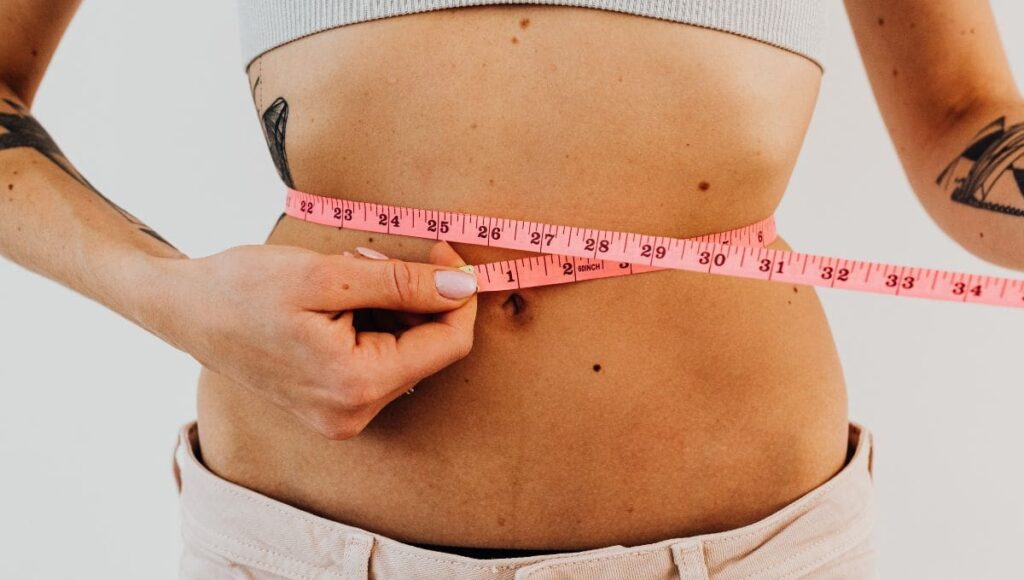
The process of becoming lean involves more than just losing weight; it requires significant mental and physical adjustments. It often takes much longer than anticipated, which can lead to frustration and dips in motivation if not approached with the right mindset. At least, that is what Mario Tomic talked about in a recent video he published.
Mario Tomic is an entrepreneur who helps other busy working professionals get fit and build a sustainable and healthy lifestyle. He has a YouTube channel account with over 400K subscribers.
Here, we explore why achieving leanness is more arduous than it appears and offer guidance on navigating the common pitfalls.
Why Getting Lean Always Takes Longer Than You Think
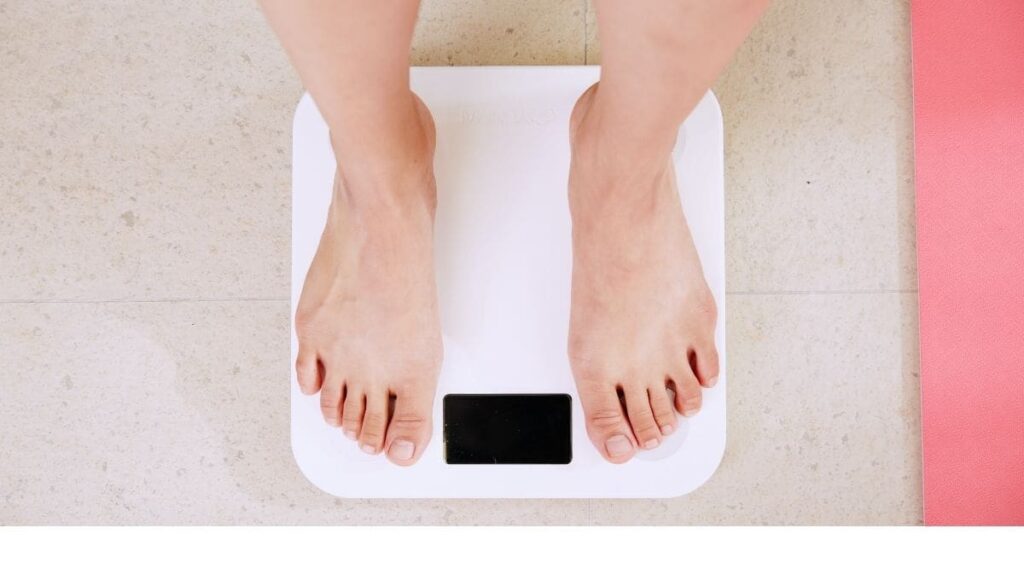
One of the first hurdles in the quest for leanness is the common misjudgment of one’s own body fat percentage. Many people start their fat loss journey believing they are closer to their goal than they actually are. For instance, someone who thinks they need to lose around 20 lbs to achieve 12 to 15% body fat might actually need to lose 40 lbs or more. This underestimation can partly be attributed to the inaccuracies of body fat measuring tools like smart scales and body scans, which often provide overly optimistic figures especially at higher body fat levels.
It’s crucial to approach your fat loss goals with a clear and realistic understanding of where you’re starting from. For example, if you’re a male who stands at 5’10” (178 cm), achieving a lean physique might mean aiming for a body weight closer to 172 lbs (78 kg), rather than what you initially might think. The path to getting lean involves more than just losing weight; it’s about understanding body composition and striving for a higher muscle-to-fat ratio.
Related: 10 Proven Ways To Speed Up Fat Burning
Resetting Expectations and Dealing with Setbacks

The journey to becoming lean is often punctuated with setbacks such as holidays, stress, and other life events that can lead to temporary lapses in diet and exercise routines. It’s important to anticipate these challenges and plan for them rather than expecting a smooth, linear progression. Developing resilience through flexible dieting strategies, realistic goal setting, and perhaps most importantly, patience, is essential.
Moreover, societal perceptions of what constitutes a ‘normal’ weight can also skew expectations. With obesity rates on the rise globally, our collective sense of what is healthy has shifted. As you lose weight, you might face comments from friends or family who aren’t used to seeing you leaner, which can be demotivating. Staying focused on your personal health goals and learning to navigate social pressures are integral parts of the process.
The road to achieving a lean physique is fraught with challenges that test both your physical and mental stamina. Understanding the true extent of effort required, resetting expectations, and preparing for the inevitable ups and downs are crucial steps. Remember, getting lean is not just a physical transformation but a mental one as well.
If you’re determined to see this through, remember that persistence and learning from each setback can eventually lead to success. Whether you’re aiming for 10%, 15%, or simply a healthier body composition, the journey is deeply personal and requires a tailored approach. Stick with it, adjust as needed, and the progress, though slow, will be worth the effort.
Watch the video below from Mario Tomic to get a better understanding of why getting lean always takes longer than you think and what you can do about it.
Read Also: 10 Rules to Never Have Belly Fat Again
A Quick Rundown of the Principles of Fat Loss
Fat loss is governed by several foundational principles that can guide individuals on their journey to losing body fat effectively and sustainably. Understanding these principles can help set realistic expectations and develop effective strategies for achieving long-term results.
The first principle of fat loss is energy balance, which refers to the relationship between the number of calories consumed and the number of calories expended. To lose fat, you must create a caloric deficit, meaning you need to consume fewer calories than you burn. This can be achieved through dietary changes, increasing physical activity, or a combination of both. It’s important to ensure that the caloric deficit is moderate so that it supports sustained fat loss without causing significant muscle loss or metabolic slowdown.
Related: 5 Rules for Staying in a Caloric Deficit
The second principle is macronutrient balance, which involves paying attention to the types of foods consumed, not just the calorie content. Proteins, fats, and carbohydrates each play unique roles in the body, and getting the right balance can influence satiety, metabolic rate, and the body’s hormonal environment. High protein intake, for example, is crucial as it helps preserve muscle mass during a calorie deficit, boosts metabolism slightly due to its high thermic effect, and can reduce appetite, making it easier to stick to a lower calorie intake.

Another important principle is progressive overload in physical activity. While diet primarily drives fat loss, exercise is essential to ensure that the weight lost is predominantly fat rather than muscle. Resistance training is particularly important because it helps maintain muscle mass, which in turn helps sustain metabolic rate during a calorie deficit. Cardiovascular exercise also plays a critical role by increasing calorie burn and can be integrated in various forms, from high-intensity interval training (HIIT) to longer, moderate-intensity sessions.
Lastly, consistency and adherence are the underlying principles that tie everything together. Fat loss is a gradual process that requires consistent effort over time. The best diet and exercise regime is the one that you can adhere to in the long term without feeling overly restricted or physically drained. Setting achievable goals, finding support systems, and making gradual lifestyle changes rather than opting for quick fixes are crucial to maintaining progress and achieving successful fat loss.