Do you think getting lean and muscular will make you happy and healthier? Well, that could be the case, but it can also backfire. Check out why this guy regrets getting shredded.
The story you will read below about getting shredded and regretting it is from Brendan Jones, from the goal guys. The Goal Guys are two brothers (Brendan and Cam Jones) with a YouTube channel with almost half a million subscribers. They share videos in which they take on “different goals in fitness and productivity.”
Brendan Jones’ fitness journey is a compelling narrative that delves into the complexities of achieving one’s dream physique while maintaining a healthy balance in life. The year before, Brendan reached a significant milestone, achieving a physique that was “90% of what I ever hoped I would look like when I started training,” as he vividly describes. This accomplishment was not just a testament to his physical transformation but also a significant boost to his self-esteem, humorously noting an uptick in “more matches on Tinder.”
However, the initial euphoria of reaching this peak soon gave way to a challenging phase. Despite the remarkable progress, Brendan found himself grappling with stagnation in his training and contemplating the use of performance-enhancing drugs for the first time. This juncture marked a critical reflection point, prompting Brendan to reconsider the essence of his fitness goals and the potential pitfalls of an obsession with perfection.
Read Also: The Ugly Truth about Getting Shredded
Why This Guy Regrets Getting Shredded
As Brendan strived for further improvement, his focus narrowed down to the elusive remaining 10% of his goal. He fixated on achieving perfect lower abs and eliminating a stubborn pouch of fat, leading him to lament, “my lower abs weren’t quite visible yet, and in my side profile, I could see this small pouch of fat.” This intense scrutiny of minor imperfections overshadowed his significant achievements, fostering a cycle of dissatisfaction and frustration.
The pursuit of surpassing the 12% body fat threshold for more defined abs became an arduous journey, characterized by extreme dieting and rigorous training. Brendan’s relentless efforts yielded diminishing returns, compelling him to make significant sacrifices that impacted his social life and overall well-being. Despite these sacrifices, the results were not as gratifying as expected, leaving Brendan to question the value of his relentless pursuit.
At a critical turning point, Brendan contemplated taking performance-enhancing drugs, a consideration that starkly contrasted his initial fitness aspirations. This moment of introspection highlighted the extent to which the pursuit of an ideal physique had overshadowed the fundamental principles of health and wellness. Brendan candidly shares, “I wasn’t seeing the results I wanted training naturally, then my curiosity came: what could I get if I added just a little bit of sauce?”
Related: What Happens To Your Body On Steroids
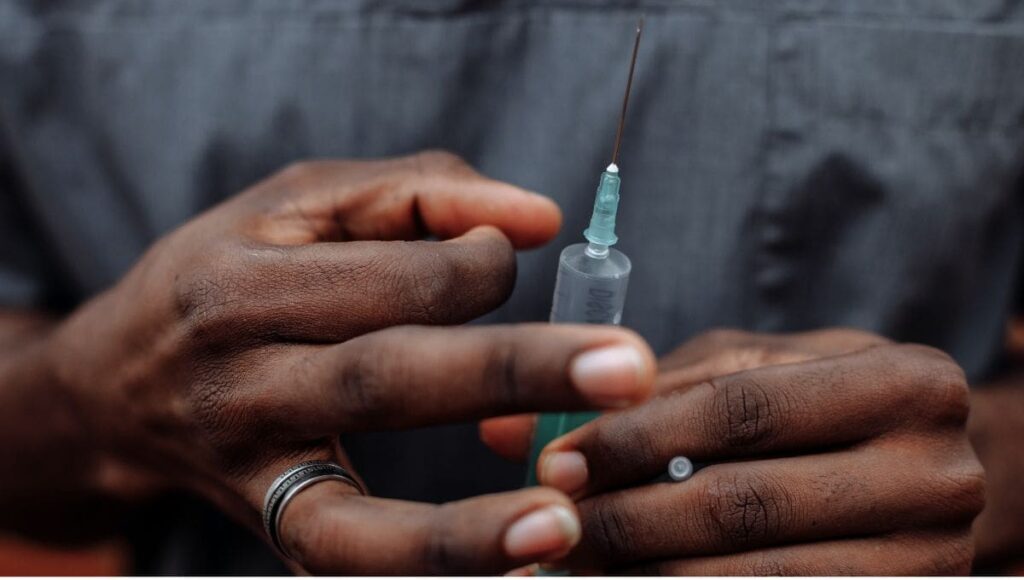
Brendan’s story serves as a poignant reminder of the importance of setting realistic goals and embracing one’s achievements in the fitness journey. It underscores the danger of becoming ensnared in the pursuit of a perfect physique, often portrayed in media, at the expense of overall health and happiness.
In reflecting on his journey, Brendan emphasizes the value of finding contentment and balance in one’s achievements, stating, “rather than striving to achieve a constantly shredded look, I’ve realized I’m much happier trying to stay in a 13 to 15 body fat range where I feel stronger and have more energy.” This balanced approach allows him to pursue other life goals with enthusiasm and underscores the transformative power of embracing a holistic perspective on fitness.
Brendan Jones’ journey is a powerful testament to the idea that fitness is not solely about achieving a certain aesthetic but about fostering a lifestyle that promotes well-being, balance, and fulfillment. His narrative encourages others to celebrate their progress, prioritize health, and find joy in the journey, rather than fixating on unattainable ideals of perfection.
Read More: 15 Muscle-Building Mistakes You Could Be Making
Are you curious to know how Brendan looked before and after? And why this guy regrets getting shredded from his own account? Then you can watch the video below.
In the video, Brendan Jones explains candidly why he thinks trying to get shredded and closer to single-digit body fat percentage was a big mistake that cost him a lot – not only physically, but mentally. Watch his entire explanation of the situation and how he looked like when he was in the leanness version possible.
8 Mistakes Everyone Does Trying to Get Shredded
How To Create The Optimal Caloric Deficit For Fat Loss
Health vs Aesthetics: The Imperative of Prioritising Well-being in Fitness
In the realm of fitness, a perennial debate revolves around the choice between prioritising health or aesthetics. While achieving a visually appealing physique may be a common goal, it is crucial to underscore the significance of placing health at the forefront of one’s fitness journey. So let’s delve into why health should take precedence over mere aesthetic fitness.
Longevity and Quality of Life:
- Optimal health contributes to a longer and more fulfilling life. A well-rounded fitness routine that focuses on cardiovascular health, flexibility, and strength promotes longevity and a higher quality of life.
Holistic Well-being:
- Aesthetic goals often concentrate on specific body parts or visual aspects. Prioritising health involves addressing overall well-being, including mental health, which is crucial for a balanced and fulfilling life.
Sustainability:
- Pursuing extreme aesthetic goals, such as achieving an exceptionally low body fat percentage, can lead to unsustainable practices. Prioritising health encourages sustainable habits, ensuring that fitness remains a lifelong journey rather than a short-term pursuit.
Mental Health Benefits:
- Exercise has proven mental health benefits, reducing stress, anxiety, and depression. Prioritising health-oriented exercises enhances mental resilience and fosters a positive mindset, which is often overlooked in purely aesthetic-focused approaches.
Functional Fitness:
- Health-oriented fitness routines prioritise functional strength and mobility. This translates to improved performance in daily activities, reducing the risk of injuries and enhancing overall functionality in everyday life.
Diverse Fitness Goals:
- Health-centric fitness allows for a more diverse range of goals. While aesthetics may be one aspect, achieving fitness for health can include goals like improved cardiovascular endurance, increased flexibility, and enhanced muscle strength.
Reduced Risk of Health Conditions:
- Regular exercise and a focus on health contribute to the prevention of various health conditions, including cardiovascular diseases, diabetes, and obesity. Aesthetic goals alone may not address underlying health issues.
Flexibility in Body Image:
- Prioritising health over aesthetics encourages a more flexible and positive body image. It fosters acceptance and appreciation for the body’s capabilities rather than fixating on an idealised appearance.
Societal Pressures and Mental Well-being:
- The constant pursuit of aesthetic ideals can lead to societal pressures and body image issues. Prioritising health helps individuals break free from unrealistic standards, fostering a healthier relationship with their bodies.
Adapting to Life Changes:
- Health-oriented fitness allows for adaptability to life changes, such as ageing or periods of increased stress. Emphasising overall health ensures that one’s fitness routine can be adjusted to accommodate different life stages.
In conclusion, while aesthetic goals may provide short-term gratification, the enduring benefits of prioritising health in fitness are undeniable. Choosing a well-rounded approach that encompasses mental, physical, and emotional well-being not only leads to a more fulfilling life but also ensures a sustainable and adaptable fitness journey. The emphasis on holistic health resonates with the broader understanding of well-being and balance in one’s lifestyle.
3 Best Diet Rules to Get Shredded Quickly
Benefits and Dangers of Getting Shredded and Maintaining that Physique
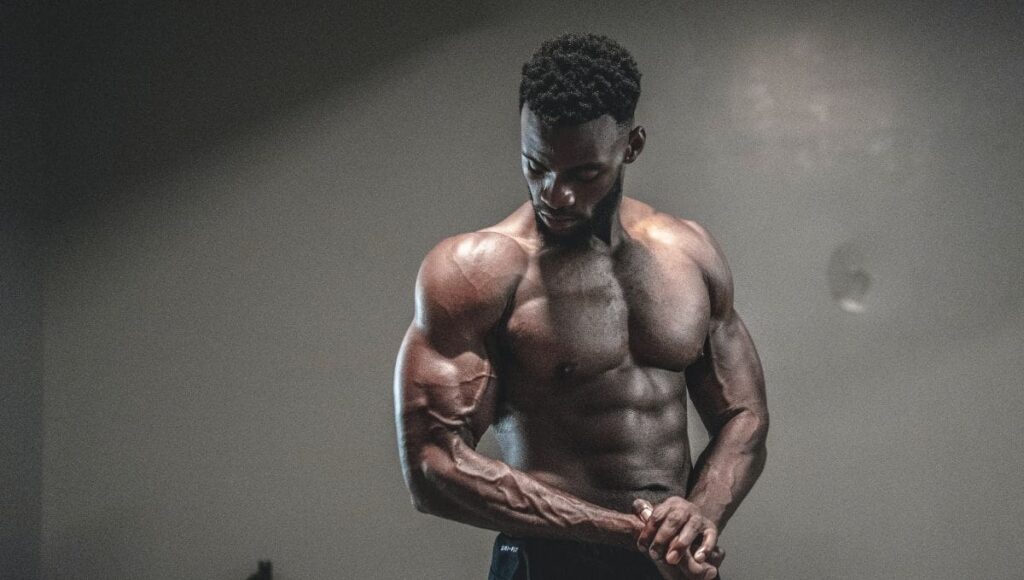
The pursuit of a shredded physique, characterized by low body fat and well-defined muscles, is a common goal for many fitness enthusiasts. Achieving and maintaining such a condition comes with its own set of benefits and potential dangers, which are important to consider for anyone embarking on this fitness journey.
Benefits of Getting and Staying Shredded
- Improved Physical Appearance: Achieving a shredded physique enhances muscle definition and vascularity, leading to an aesthetically pleasing appearance, which can boost self-confidence and self-esteem.
- Increased Muscle Strength and Endurance: The rigorous training required to achieve a shredded look often leads to improvements in muscle strength, endurance, and overall physical fitness.
- Enhanced Athletic Performance: Lower body fat percentages can contribute to better athletic performance in activities that benefit from a higher strength-to-weight ratio, such as running, cycling, and gymnastics.
- Discipline and Mental Resilience: The dedication and discipline required to achieve and maintain a shredded physique can foster mental resilience, enhancing one’s ability to set and achieve goals in various aspects of life.
- Health Benefits: Lower levels of body fat are associated with reduced risk of certain diseases, including type 2 diabetes, high blood pressure, and heart disease, provided that the low body fat percentage is achieved and maintained in a healthy manner.
How to Do HIIT Cardio to Get To 10% Body Fat
Dangers of Getting and Staying Shredded
- Nutritional Deficiencies: Extreme dieting to achieve a shredded physique can lead to nutritional deficiencies, impacting overall health, immune function, and recovery from exercise.
- Hormonal Imbalances: Sustaining very low levels of body fat can disrupt hormonal balance, leading to issues such as decreased testosterone in men, irregular menstrual cycles in women, and impaired thyroid function, which can affect metabolism and mood.
- Increased Risk of Eating Disorders: The intense focus on diet and body image can contribute to the development of eating disorders or disordered eating patterns, such as anorexia nervosa, bulimia nervosa, or orthorexia.
- Mental Health Issues: The pressure to maintain a shredded appearance can lead to anxiety, depression, and body dysmorphia, particularly if one’s self-worth becomes overly tied to physical appearance.
- Decreased Physical Performance: Paradoxically, the extreme dieting and overtraining required to achieve and maintain a shredded body can lead to decreased physical performance, muscle loss, and increased susceptibility to injuries due to inadequate recovery and reduced muscle and joint support.
- Social and Lifestyle Impact: The stringent lifestyle required to maintain a shredded physique can strain social relationships and lead to a diminished quality of life, as individuals may isolate themselves from social events to adhere to strict dietary and training regimens.
- Metabolic and Cardiovascular Stress: Maintaining an extremely low body fat percentage can put stress on the cardiovascular system and metabolism, potentially leading to long-term health issues.
It’s crucial for individuals to weigh these benefits and dangers carefully and to approach their fitness goals with a balanced perspective. Achieving a shredded physique should not come at the expense of one’s overall health and well-being. Consulting with fitness and health professionals can help individuals set realistic goals and adopt sustainable practices that prioritize health above aesthetic ideals.
3 Easy Fixes to Get Shredded Abs
What Are the Minimum Steps You Should Walk Every Day for Health Benefits (Not 10K)