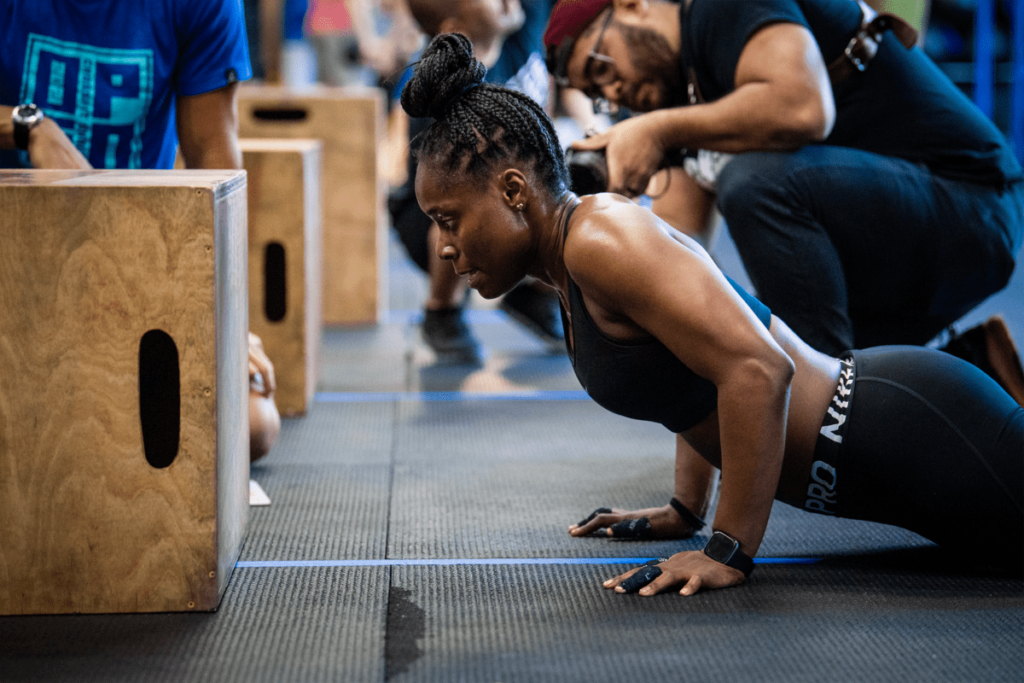
Training for both cardio and strength is an increasingly popular trend, often referred to as being a hybrid athlete. Whether you’re a marathon runner looking to build muscle, or a weightlifter wanting to improve endurance, balancing these two disciplines can significantly elevate your fitness levels. However, combining cardio and strength training also presents unique challenges.
Many people fall into common pitfalls that hinder their progress and prevent them from reaping the full benefits of hybrid training. In this article, we’ll break down the worst mistakes people make when training cardio and strength together, and how to avoid them.
Whether you’re a seasoned hybrid athlete or someone starting out, this guide will help you fine-tune your approach and ensure that you maximise your potential while staying injury-free.
Mistake #1: Neglecting Proper Recovery and Rest
- Overtraining syndrome: Many hybrid athletes push too hard without adequate rest, which leads to chronic fatigue, muscle soreness, and even injuries.
- Insufficient sleep: Poor sleep can disrupt muscle recovery, hormonal balance, and overall performance.
- Not programming rest days: Hybrid athletes often feel they need to train daily to progress, which is counterproductive.
- Ignoring active recovery: Stretching, yoga, or light cardio activities can aid in faster recovery without causing more fatigue.

Solution:
Prioritise sleep (7-9 hours per night) and plan recovery days into your training schedule. Implement active recovery sessions, and don’t be afraid to take complete rest days when needed.
Mistake #2: Imbalanced Training Plans
- Too much cardio, not enough strength: Many athletes overemphasise cardio, leaving strength training as an afterthought, leading to muscle imbalances and a plateau in strength gains.
- Over-prioritising strength: The opposite also happens, where cardio is neglected, reducing endurance and overall cardiovascular health.
- No variation in training: Doing the same workouts repeatedly, such as running and squatting, without incorporating other forms of exercise like interval training or mobility work.
Solution:
Create a well-rounded plan that balances both cardio and strength, while ensuring variety to target different muscle groups and energy systems. Try to alternate between high and low intensity, with sessions focused on endurance, strength, and flexibility.
5 Exercises for Men Over 40 to Feel Young Again
Mistake #3: Doing Cardio Before Strength Training (or Vice Versa, Incorrectly)
- Fatigue from cardio affecting strength sessions: Doing long cardio sessions before lifting can lead to muscle fatigue, reducing the intensity and effectiveness of strength training.
- Strength before cardio leading to poor endurance sessions: Conversely, heavy weightlifting can deplete energy stores, making cardio training less effective, especially when endurance is the goal.
- Ignoring goals when scheduling sessions: Many athletes don’t align their training with their goals, leading to suboptimal results. For instance, focusing on strength but always prioritising cardio first in their routine.

Solution:
Base your workout order on your primary goal. If strength is the priority, lift first. If endurance is the focus, cardio should come first. Consider splitting sessions across different days, if possible, or at least separating them by several hours if done in one day.
Mistake #4: Not Eating Enough or Incorrectly Timing Nutrition
- Caloric deficits hindering muscle growth: Many hybrid athletes, especially those aiming to improve endurance, fail to consume enough calories to support muscle repair and growth.
- Wrong macronutrient balance: Focusing too much on carbs for cardio or protein for strength without finding a balance for both.
- Skipping post-workout nutrition: Failing to replenish glycogen and protein stores after a workout can hinder recovery and muscle adaptation.
Solution:
Eat a balanced diet that supports both strength and cardio demands. Aim for a combination of carbohydrates and protein before and after workouts to fuel performance and recovery. Consider small, frequent meals if doing cardio and strength on the same day.
Mistake #5: Failing to Adapt Training with Fatigue
- Ignoring signs of burnout: Many hybrid athletes try to push through fatigue, leading to diminished performance, injury risk, and overtraining syndrome.
- Not adjusting volume: Hybrid athletes often do not adjust their training volume based on how they feel, leading to underperformance or increased risk of injury.
- Overcomplicating workouts: Trying to fit in excessive amounts of both cardio and strength in a single week can overload the body and lead to burnout.
Solution:
Listen to your body and adjust your training load based on how you feel. Use a periodised training approach, allowing for both intense and lighter phases in your workout programme. Learn to recognise signs of overtraining such as persistent muscle soreness, fatigue, and mood changes, and adjust accordingly.
Hybrid Training Tested: Running + Weightlifting Hidden Benefits
Mistake #6: Lack of Focus on Mobility and Flexibility

- Neglecting flexibility: Hybrid athletes often overlook the importance of flexibility and mobility, focusing only on cardio and strength. This can lead to joint pain, muscle tightness, and decreased performance over time.
- Over-reliance on static stretching: Stretching muscles without actively improving mobility can be ineffective in reducing injury risk or improving range of motion.
- Skipping warm-ups: Going straight into a cardio or strength session without proper warm-ups can reduce mobility and increase the risk of injury.
Solution:
Incorporate dynamic warm-ups, mobility drills, and stretching into your weekly routine. Aim for 10-15 minutes of mobility work before each session, and consider dedicated flexibility training, like yoga or pilates, once or twice a week.
Mistake #7: Misunderstanding the Interference Effect
- Not accounting for interference between strength and endurance: The interference effect refers to how endurance training can limit strength gains, and strength training can limit endurance improvements.
- Poorly combined training methods: Doing long, steady-state cardio after heavy strength training can prevent muscle recovery and hinder gains.
Solution:
Space out cardio and strength sessions. If training both on the same day, consider one session in the morning and another in the evening. Incorporate low-impact cardio like cycling or swimming if endurance is the focus, as it is less likely to interfere with strength training results compared to high-impact activities like running.
Mistake #8: Overcomplicating Programming
- Too many training variables: Athletes often try to juggle multiple types of training (HIIT, endurance, hypertrophy, strength, etc.) without any clear focus, leading to confusion and reduced progress.
- Lack of periodisation: Trying to train for everything at once can lead to mixed signals to the body and stalled progress.
- Not using progression models: Many hybrid athletes don’t follow structured progression, which leads to plateaus in both strength and endurance.

Solution:
Keep your programming simple and goal-oriented. Use periodisation, which involves focusing on different aspects (strength, endurance, etc.) during separate phases to prevent plateaus. A clear progression model (increasing weight, volume, or intensity gradually) ensures steady improvements without overwhelming your system.
Mistake #9: Skipping Strength Maintenance During Endurance Phases
- Loss of muscle mass: Endurance athletes often neglect strength work during marathon prep or similar phases, leading to muscle loss and performance decline.
- Decrease in power: Power and strength are crucial even for endurance athletes, as they enhance running economy and fatigue resistance.
- Increased injury risk: Weakness in supporting muscles can lead to imbalances and injuries, particularly for runners and cyclists.
Solution:
Incorporate strength maintenance workouts into your endurance phases. Even two light strength sessions a week focusing on compound movements (squats, deadlifts, etc.) can help maintain muscle mass and prevent imbalances.
7 CrossFit Running Workouts to Build a Better Engine
Mistake #10: Underestimating Mental Fatigue and Burnout
- Emotional burnout: Constantly pushing through intense cardio and strength sessions can take a toll on mental well-being, leading to a lack of motivation or burnout.
- Poor mental focus: Fatigue from overtraining reduces mental clarity and can lead to poor form, mistakes, and injuries.
- Ignoring the psychological aspect: The mental demands of hybrid training are often underestimated, and mental recovery is just as important as physical recovery.
Solution:
Pay attention to your mental state as well as your physical condition. Incorporate mindfulness techniques, meditation, or journaling into your routine to manage stress and avoid burnout. Ensure your training is sustainable by taking mental breaks and keeping workouts enjoyable.
Conclusion
Training for both cardio and strength as a hybrid athlete can yield amazing benefits, from improved endurance to increased muscle strength. However, combining these two elements requires careful planning and a balanced approach. By avoiding the common mistakes highlighted above—such as overtraining, neglecting recovery, improper nutrition, and misunderstanding the interference effect—you’ll be better equipped to achieve optimal results while staying injury-free.
Remember, the key to hybrid training success is maintaining balance and understanding your body’s unique needs. Listen to your body, adjust your training as necessary, and don’t be afraid to rest when needed. When done correctly, hybrid training can push your fitness to new levels while keeping you strong and healthy for the long haul.
How to Do Cardio with Kettlebells or Dumbbells – 10 Workouts Included
Key Takeaways
| Common Mistake | Solution |
|---|---|
| Neglecting proper recovery | Prioritise rest, sleep, and active recovery. |
| Imbalanced training plans | Ensure a balanced mix of cardio and strength training with variety. |
| Doing cardio before strength (or vice versa) incorrectly | Base workout order on goals or split sessions for optimal performance. |
| Poor nutrition timing and intake | Eat a balanced diet with proper pre/post-workout nutrition for both cardio and strength. |
| Failing to adapt training with fatigue | Adjust workload based on fatigue and use a periodised approach. |
| Ignoring flexibility and mobility | Incorporate mobility drills and dynamic stretching into weekly routines. |
| Misunderstanding the interference effect | Separate cardio and strength sessions or use low-impact cardio methods. |
| Overcomplicating programming | Keep programming simple and goal-oriented with periodisation and progression. |
| Skipping strength maintenance during endurance phases | Include strength maintenance work even during endurance-heavy periods. |
| Underestimating mental fatigue | Manage mental health with rest, mindfulness, and enjoyable workouts. |
Bibliography
- Baar, K., 2014. “Using molecular biology to maximise concurrent training”. Sports Medicine, 44(Suppl 2), pp.117-125.
- Fyfe, J.J., Bishop, D.J. and Stepto, N.K., 2014. “Interference between concurrent resistance and endurance exercise: molecular bases and the role of individual training variables“. Sports Medicine, 44(6), pp.743-762.
- Hawley, J.A., 2009. “Molecular responses to strength and endurance training: are they incompatible?“. Applied Physiology, Nutrition, and Metabolism, 34(3), pp.355-361.
- Wilson, J.M., Marin, P.J., Rhea, M.R., Wilson, S.M., Loenneke, J.P. and Anderson, J.C., 2012. “Concurrent training: a meta-analysis examining interference of aerobic and resistance exercises“. Journal of Strength and Conditioning Research, 26(8), pp.2293-2307.
- Schoenfeld, B.J., 2010. “The mechanisms of muscle hypertrophy and their application to resistance training“. Journal of Strength and Conditioning Research, 24(10), pp.2857-2872.