When it comes to building an impressive physique, many fitness enthusiasts tend to focus on the more glamorous muscles such as the biceps, chest, and abs. However, several lesser-known muscles can significantly impact both performance and aesthetics. One such muscle is the serratus anterior.
Often neglected in training routines, the serratus anterior plays a vital role in functional movements, general posture, breathing, and even contributes to a well-defined, chiseled torso. In this article, we will delve into the anatomy, functions, and effective training methods for the serratus anterior.
Table of Contents
Anatomy and Function of the Serratus Anterior
The serratus anterior is a fan-shaped muscle that originates on the surface of the upper eight or nine ribs at the side of the chest and inserts along the entire anterior length of the medial border of the scapula. Its primary functions include the protraction of the scapula (moving the shoulder blade forward and around the rib cage) and the upward rotation of the scapula, which is essential for lifting the arms above the head.
Scapular Protraction
Scapular protraction is a crucial movement that allows for the forward motion of the shoulder blade. This movement is fundamental in activities such as punching and pushing, where extending the arm fully is necessary for maximum force. For instance, in boxing, the serratus anterior is sometimes referred to as the “boxer’s muscle” due to its role in extending the punch through the shoulder, thereby enhancing the power and reach of the strike.
Upward Rotation of the Scapula
Upward rotation of the scapula is essential for movements that involve raising the arms overhead. This function is particularly important in exercises like shoulder presses, handstands, and any overhead lifting. It ensures that the shoulder blades rotate in a manner that allows the arms to move freely and efficiently without impingement.
Importance of the Serratus Anterior
Enhancing Athletic Performance
The serratus anterior’s role in scapular protraction and upward rotation makes it indispensable for a wide range of athletic activities. For example, in calisthenics, movements such as handstands and planches require significant scapular control and stability, which are heavily dependent on the serratus anterior. Additionally, in sports like swimming, throwing, and climbing, where overhead motion is frequent, a strong serratus anterior can improve performance and reduce the risk of injury.
Improving Aesthetics
From an aesthetic perspective, the serratus anterior contributes to the detailed, ripped appearance of the torso. Visible serratus anterior muscles can give the sides of the rib cage a striated look, often seen in athletes with low body fat percentages and well-developed upper bodies, such as Bruce Lee. Training this muscle not only enhances functionality but also adds to the overall muscular definition of the upper body.

8 Reasons Your Abs Aren’t Showing and How to Fix It
Postural Stability and Shoulder Health
The serratus anterior is critical for maintaining proper shoulder blade positioning and stability. Weakness or dysfunction in this muscle can lead to conditions such as scapular winging, where the shoulder blade protrudes outwards abnormally. This can cause pain and limit the range of motion. Furthermore, a strong serratus anterior helps in maintaining good posture by keeping the scapulae close to the rib cage and supporting the shoulders in a stable position.
Respiratory Function
The serratus anterior also plays a role in respiration. As an accessory muscle of inspiration, it assists in elevating the ribs during deep breathing, which can be especially beneficial during intense physical exertion. Strengthening the serratus anterior can thus contribute to better respiratory efficiency and overall cardiovascular performance.
Effective Exercises for the Serratus Anterior
Training the serratus anterior can be achieved through a variety of exercises that emphasize scapular protraction and upward rotation. Here are some of the most effective methods:
Scapular Push-Ups
Scapular push-ups are an excellent exercise to isolate and strengthen the serratus anterior. To perform this exercise:
- Start in a high plank position with your arms straight and your hands placed shoulder-width apart.
- Without bending your elbows, lower your torso by retracting your shoulder blades together.
- Protract your shoulder blades by pushing them apart and raising your torso.
- Repeat for desired repetitions.
Push-Ups with Protraction
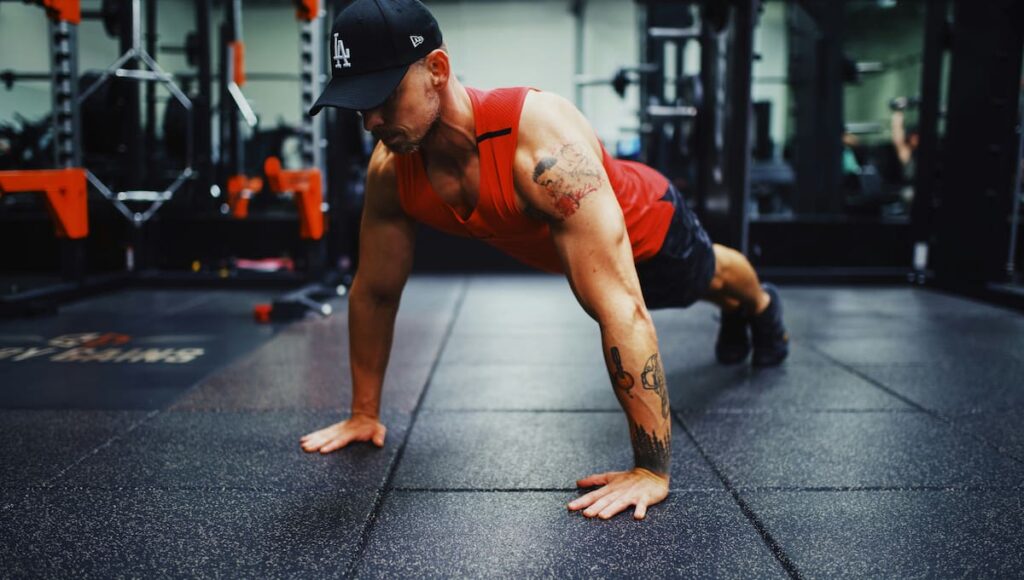
Traditional push-ups can be modified to target the serratus anterior by adding a protraction at the end of the movement:
- Perform a standard push-up.
- At the top of the push-up, continue to push through your arms to protract the scapulae fully.
- This additional movement ensures engagement of the serratus anterior.
Pike Push-Ups
Pike push-ups not only work the shoulders and upper chest but also engage the serratus anterior due to the angle of the movement:
- Start in a downward-facing dog position with your hips raised and your body forming an inverted V.
- Lower your head towards the ground by bending your elbows while keeping your hips high.
- Push back up, ensuring to protract the scapulae at the top of the movement.
Cable Punch-Outs
Cable punch-outs are an effective way to isolate the serratus anterior using resistance:
- Attach a handle to a cable machine at chest height.
- Stand facing away from the machine, holding the handle with your arm extended.
- Perform a punching motion, ensuring to fully extend your arm and protract your scapula at the end of the movement.
Wall Slides
Wall slides are a simple yet effective exercise to engage the serratus anterior:
- Stand with your back against a wall and a foam roller between your forearms and the wall.
- Slide your arms upward while maintaining pressure on the foam roller, ensuring to protract your scapulae.
- Return to the starting position and repeat.
Kettlebell Halos

Kettlebell halos are great for shoulder mobility and serratus anterior activation:
- Hold a kettlebell by the horns with both hands.
- Circle the kettlebell around your head, ensuring to keep your core tight and scapulae protracted.
- Perform the movement in both directions for balanced training.
Integrating Serratus Anterior Training into Your Routine
To effectively incorporate serratus anterior training into your fitness regimen, consider the following strategies:
Balanced Training Approach
Include exercises that target the serratus anterior in your upper body workouts, ensuring a balanced approach that also addresses other muscle groups. For example, combine push-ups with protraction, cable punch-outs, and pike push-ups with traditional pressing and pulling movements.
Progressive Overload
As with any muscle group, progressive overload is key to building strength and muscle mass. Gradually increase the resistance or difficulty of the exercises you perform for the serratus anterior to continue making progress.
Functional Movements
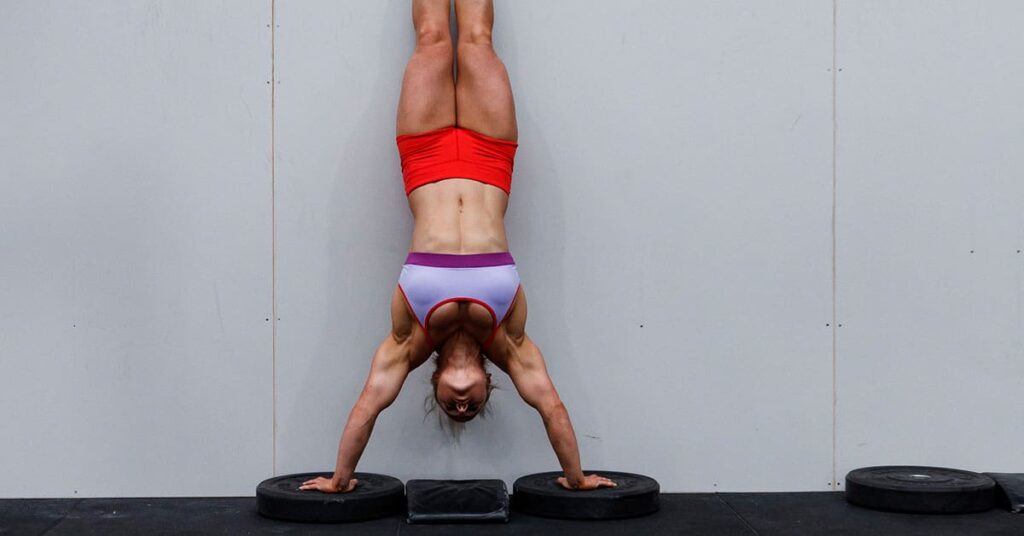
Emphasize functional movements that require scapular control and stability. Exercises like handstands, planches, and overhead pressing can naturally incorporate serratus anterior activation, promoting functional strength and mobility.
Consistency and Variety
Consistency in training is crucial for muscle development. Ensure that you regularly include serratus anterior exercises in your routine. Additionally, vary the exercises and angles to prevent plateaus and maintain balanced muscle development.
Conclusion
The serratus anterior is a vital muscle that often goes overlooked in many training routines. Its functions in scapular protraction and upward rotation are essential for numerous athletic activities, shoulder health, posture, and even respiratory efficiency. By incorporating targeted exercises into your fitness regimen, you can enhance both your performance and aesthetics, achieving a well-rounded and functional physique.
By focusing on often overlooked muscles like the serratus anterior, you can achieve a more balanced, functional, and aesthetically pleasing physique. Integrate these exercises into your routine to enhance your overall performance and health.
Remember, balanced training is key to preventing imbalances and promoting overall muscle health.
Key Takeaways
| Key Points | Details |
| Anatomy and Function | Originates on ribs, inserts on scapula; responsible for scapular protraction and upward rotation |
| Importance | Enhances athletic performance, improves aesthetics, supports shoulder health, aids in breathing |
| Effective Exercises | Scapular push-ups, push-ups with protraction, pike push-ups, cable punch-outs, wall slides, kettlebell halos |
| Training Integration | Balance exercises with other movements, use progressive overload, focus on functional movements, maintain consistency and variety |
Bibliography
- Kibler, W. B., Ludewig, P. M., McClure, P. W., et al. (2002). ‘Clinical implications of scapular dyskinesis in shoulder injury: the 2013 consensus statement from the ‘Scapular Summit’. British Journal of Sports Medicine, 47(14), 877-885.
- Struyf, F., Nijs, J., Mottram, S., et al. (2013). ‘Clinical assessment of the scapula: a review of the literature’. British Journal of Sports Medicine, 47(14), 785-795.
- Decker, M. J., Hintermeister, R. A., Faber, K. J., et al. (1999). ‘Serratus anterior muscle activity during selected rehabilitation exercises’. American Journal of Sports Medicine, 27(6), 784-791.
- Hardwick, D. H., Beebe, J. A., McDonnell, M. K., et al. (2006). ‘A comparison of serratus anterior muscle activation during a wall slide exercise and other traditional exercises’. Journal of Orthopaedic & Sports Physical Therapy, 36(12), 903-910.
FAQs
What is the serratus anterior muscle?
The serratus anterior is a fan-shaped muscle located on the side of the chest, originating from the upper eight or nine ribs and inserting along the medial border of the scapula (shoulder blade). It plays a crucial role in the movement and stability of the scapula, including scapular protraction (moving the shoulder blade forward) and upward rotation.
Why is the serratus anterior important?
The serratus anterior is essential for several reasons:
Functional Movement: It facilitates scapular protraction and upward rotation, necessary for overhead movements and pushing actions.
Shoulder Health: It helps stabilize the scapula, preventing conditions like scapular winging and supporting shoulder joint integrity.
Respiration: It aids in elevating the ribs during deep breathing, improving respiratory efficiency.
Aesthetics: A well-developed serratus anterior contributes to a detailed, chiseled appearance of the torso.
What happens if the serratus anterior is weak?
A weak serratus anterior can lead to several issues:
Scapular Winging: The shoulder blade protrudes outward abnormally, causing pain and limited range of motion.
Poor Posture: It can contribute to rounded shoulders and a forward head posture.
Reduced Athletic Performance: Weakness can impair movements that involve pushing or lifting overhead, such as in boxing, swimming, or weightlifting.
Respiratory Issues: It can affect deep breathing efficiency, especially during physical exertion.
How can I tell if my serratus anterior is weak?
Signs of a weak serratus anterior include:
Scapular Winging: Visible protrusion of the shoulder blade when pushing against a wall.
Shoulder Pain: Discomfort or pain around the shoulder blade during movement.
Limited Overhead Movement: Difficulty or discomfort when lifting the arms above the head.
Postural Issues: Rounded shoulders or forward head posture.
What exercises target the muscle?
Several exercises effectively target the serratus anterior, including:
Scapular Push-Ups: Focus on protracting the shoulder blades while performing push-ups.
Push-Ups with Protraction: Add an extra push at the top of a push-up to fully protract the scapula.
Pike Push-Ups: Engage the serratus anterior through an angled push-up position.
Cable Punch-Outs: Use a cable machine to simulate a punching motion, ensuring scapular protraction.
Wall Slides: Use a foam roller against a wall to protract and upwardly rotate the scapula while raising the arms.
Kettlebell Halos: Circle a kettlebell around the head, engaging the serratus anterior.
Can training the serratus anterior improve my posture?
Yes, strengthening the serratus anterior can significantly improve posture. By stabilizing the scapula and supporting proper shoulder alignment, a strong serratus anterior helps maintain an upright posture and reduces the tendency to develop rounded shoulders and forward head posture.
Are there any precautions I should take when training the serratus anterior?
When training the serratus anterior, consider the following precautions:
Proper Form: Focus on maintaining proper form to avoid unnecessary strain on the shoulder and neck.
Gradual Progression: Start with lower resistance or easier variations and gradually increase intensity as strength improves.
Listen to Your Body: If you experience pain or discomfort, reduce the intensity or modify the exercise to ensure safety.
Consult a Professional: If you have existing shoulder issues or are unsure about your form, consider consulting a fitness professional or physical therapist.
Can I train the serratus anterior without equipment?
Yes, you can train the serratus anterior without equipment using bodyweight exercises such as:
Scapular Push-Ups: Performed on the floor without any equipment.
Pike Push-Ups: Using body weight and an elevated surface if needed for variation.
Plank Variations: Incorporate scapular protraction while holding a plank position.
Wall Slides: Use a wall and a foam roller or towel.
What are some advanced exercises for the serratus anterior?
For advanced training, consider exercises like:
One-Arm Push-Ups: Focus on pushing through the arm and protracting the scapula.
Handstands: Engage the serratus anterior during the handstand hold and transitions.
Planche Variations: Requires significant scapular control and strength, including the serratus anterior.
L-Sit to Handstand Press: Combines core strength and scapular protraction for advanced athletes.
How long does it take to see results from training the serratus anterior?
The time it takes to see results varies based on factors like current fitness level, consistency, and overall training routine. With regular training and proper technique, improvements in strength and muscle definition can typically be seen within 4-6 weeks. Enhanced posture and performance benefits may be noticed even sooner.