Building a thick, well defined chest is one of the most common goals in strength training. Yet many lifters struggle to develop the lower portion of the pectorals. They bench press hard, throw in random chest flyes, and still end up with a chest that looks flat at the bottom.
The lower chest matters because it creates fullness and density across the lower border of the pecs. It contributes to that powerful “armor plate” look that stands out both shirtless and under clothing. A developed lower chest also improves pressing strength and overall chest symmetry. The good news is that building the lower chest is not complicated. You do not need endless exercises or fancy machines. You need smart exercise selection, proper biomechanics, progressive overload, and enough weekly training volume.


Understanding the Lower Chest
Before diving into the exercises, it helps to understand what the lower chest actually is. The pectoralis major has two primary regions:
- Clavicular head, often called the upper chest
- Sternocostal head, which makes up the middle and lower chest
The lower chest fibers run upward from the sternum and ribs toward the humerus. Because of this fiber direction, exercises that involve pressing or adduction on a downward angle tend to recruit the lower fibers more effectively.
That is why decline pressing and chest dips are consistently associated with greater activation of the lower pec region compared to flat or incline movements. However, muscle growth is not just about activation. Hypertrophy is influenced by several factors:
- Mechanical tension
- Sufficient training volume
- Progressive overload
- Range of motion
- Recovery and nutrition
Research consistently shows that muscles grow best when trained through long muscle lengths with challenging resistance and adequate volume.
For the chest, that means controlled eccentrics, deep stretches where appropriate, and enough hard sets each week.
Why Most Lifters Fail to Build the Lower Chest
Many people think they need isolation exercises to “target” the lower chest. In reality, poor lower chest development often comes down to three issues.
Too Much Flat Bench Pressing
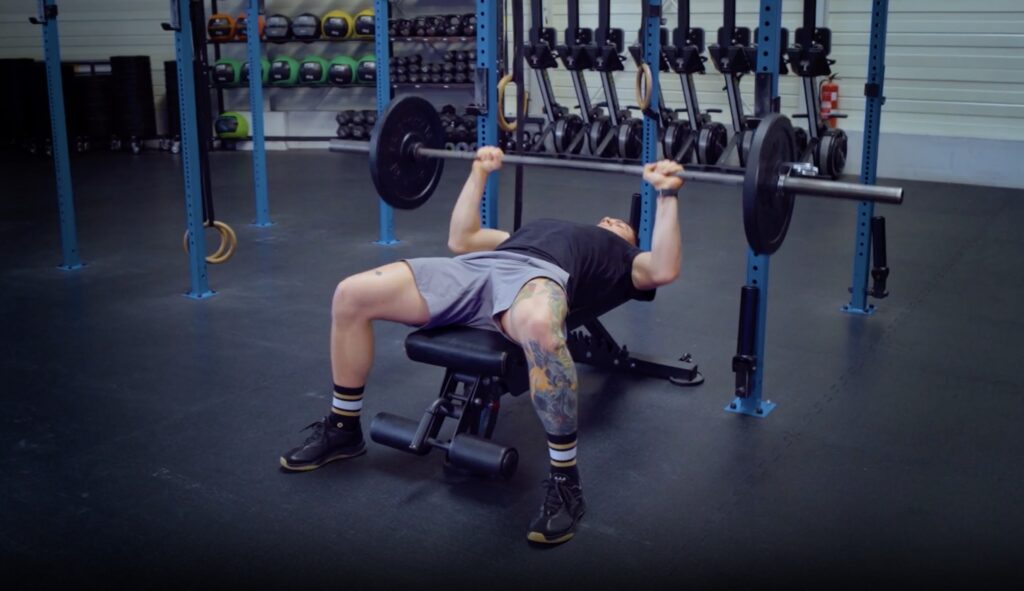
The flat bench is a fantastic exercise, but it does not emphasize the lower chest as strongly as decline pressing or dips. Lifters who only flat bench often develop dominant front delts and mid pecs while neglecting the lower region.
Poor Exercise Execution
Chest exercises only work well if the chest is actually doing the work. Common mistakes include:
- Excessive shoulder involvement
- Limited range of motion
- Bouncing reps
- Using too much weight
- Poor scapular positioning
Not Enough Weekly Volume
Research suggests that hypertrophy is optimized with roughly 10 to 20 hard sets per muscle group per week for most trained individuals. Many people simply do not train the chest hard enough or consistently enough to force adaptation. Now let’s get into the exercises that deliver the best results.
Exercise 1: Weighted Chest Dips
If you had to pick one exercise for lower chest development, weighted chest dips would be near the top of the list. Chest dips combine heavy loading, deep stretch, and strong lower chest activation. They also train the triceps and anterior delts, making them one of the best upper body compound exercises overall.
Why Chest Dips Work
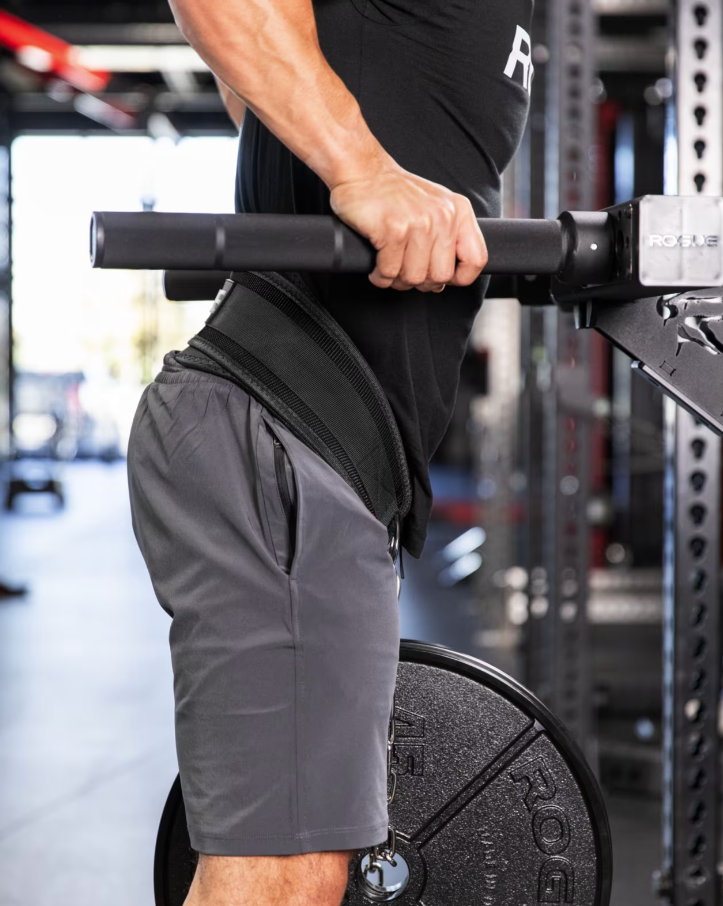
The torso angle during chest dips shifts emphasis toward the sternocostal fibers of the pec major. Leaning slightly forward while allowing the elbows to flare moderately creates a movement pattern that heavily loads the lower chest. Unlike machine exercises, dips also require stabilization and body control. This increases overall muscular demand.
Research on electromyography activity has shown high pectoralis major activation during dip variations, especially when performed with a forward lean. Another major advantage is the stretch. The bottom position of a dip places the pecs under significant tension at long muscle lengths, which appears highly effective for hypertrophy.
How to Perform Chest Dips Properly
- Grip parallel dip bars firmly.
- Lift yourself into the starting position with locked arms.
- Lean your torso slightly forward.
- Keep your chest open and shoulders depressed.
- Lower yourself under control until your shoulders are slightly below your elbows.
- Drive back upward while squeezing your chest.
Key Technique Tips
- Think “chest forward,” not “torso upright”
- Avoid excessive shrugging
- Do not bounce out of the bottom
- Use a controlled eccentric
- Add weight gradually over time
Progression Strategy
Once you can perform 12 clean bodyweight reps, begin adding external load using:
- Dip belts
- Weighted vests
- Dumbbells between the feet
Aim for:
- 3 to 5 sets
- 6 to 12 reps
- Controlled tempo
Best Rep Range for Growth
Moderate rep ranges tend to work best for weighted dips because they balance load and muscular tension effectively. A strong hypertrophy target would be:
- 8 to 10 reps
- Near technical failure
- Full range of motion
Exercise 2: Decline Dumbbell Press
The decline dumbbell press is one of the most underrated chest builders. While many gyms are filled with people fighting over incline benches, decline pressing often gets ignored despite its effectiveness for lower chest development.
Why Decline Pressing Works
The decline angle aligns resistance with the lower chest fibers more effectively than flat pressing. Dumbbells also provide several advantages over barbells:
- Greater range of motion
- Independent arm movement
- Increased stabilization demand
- Reduced joint stress for some lifters
Studies comparing bench press variations show that decline pressing reduces anterior deltoid involvement while increasing lower pectoral recruitment. This matters because excessive front delt dominance is one of the main reasons many lifters struggle to fully develop their chest.
How to Perform the Decline Dumbbell Press
- Set the bench to a slight decline.
- Secure your legs under the pads.
- Start with dumbbells over your chest.
- Lower the weights slowly until your elbows are slightly below torso level.
- Press upward while bringing the dumbbells slightly inward.
Key Technique Cues
- Keep shoulder blades retracted
- Maintain a slight natural arch
- Control the eccentric
- Do not slam the dumbbells together
Why Dumbbells Beat Barbells for Many Lifters
Barbells lock both arms into a fixed path. Dumbbells allow more natural shoulder movement and often create a stronger contraction. Dumbbells also improve unilateral strength and coordination.
Programming Recommendations
For hypertrophy:
- 3 to 4 sets
- 8 to 12 reps
- 60 to 90 seconds rest
This exercise works extremely well after heavier compound pressing.
Decline Press vs Flat Bench
Many lifters assume the flat bench is automatically superior because it is more popular. That is not necessarily true for lower chest growth. The decline press often allows:
- Better chest isolation
- Reduced shoulder strain
- Stronger lower pec recruitment
- Higher pressing stability
For people with cranky shoulders, decline pressing can also feel significantly more comfortable.
Exercise 3: High to Low Cable Flyes
Heavy compounds build mass, but cable flyes help maximize tension and contraction.
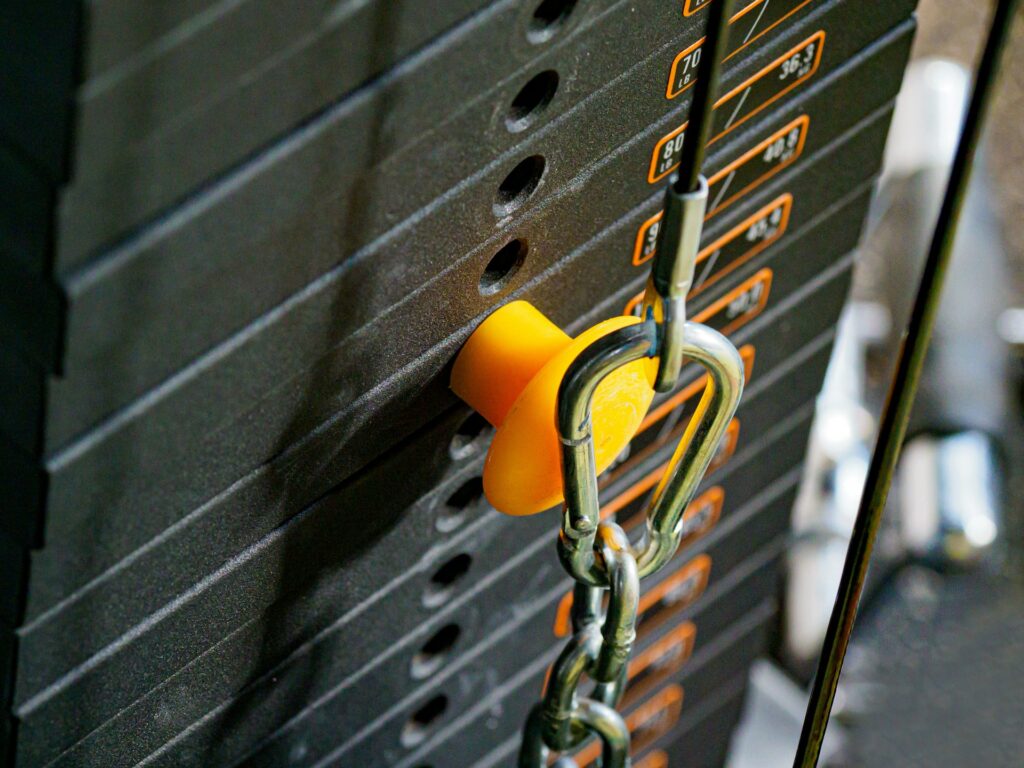
The high to low cable fly is one of the best isolation exercises for emphasizing the lower chest because it follows the natural fiber direction of the sternocostal head.
Why Cable Flyes Are So Effective
Unlike dumbbells, cables maintain tension throughout the entire range of motion. This continuous tension can increase metabolic stress and muscular fatigue, both of which contribute to hypertrophy. The high to low angle also mimics the line of pull of the lower chest fibers.
How to Perform High to Low Cable Flyes
- Set the pulleys above shoulder height.
- Grab the handles and step forward.
- Keep a slight bend in the elbows.
- Pull the handles downward and inward.
- Finish with hands near the lower torso.
- Slowly return to the starting position.
Important Technique Tips
- Keep movement smooth and controlled
- Focus on squeezing the chest
- Avoid excessive elbow bending
- Maintain tension throughout
Common Mistakes
Going Too Heavy
This turns the exercise into a sloppy press.
Using Momentum
Swinging the torso reduces chest tension.
Rushing the Eccentric
The lowering phase is critical for muscle growth.
Best Rep Range
Cable flyes respond extremely well to moderate and higher rep ranges.
Aim for:
- 10 to 15 reps
- 2 to 4 sets
- Controlled tempo
- Strong contraction
Why Isolation Work Still Matters
Some people dismiss flyes because they are not “functional.” That misses the point.
Isolation exercises help:
- Increase total chest volume
- Improve mind muscle connection
- Create more localized fatigue
- Enhance chest symmetry
For complete lower chest development, flyes are an important complement to heavy pressing.
Sample Lower Chest Workout
Here is a highly effective lower chest focused session.
Lower Chest Hypertrophy Workout
Weighted Chest Dips
- 4 sets
- 6 to 10 reps
Decline Dumbbell Press
- 4 sets
- 8 to 12 reps
High to Low Cable Flyes
- 3 sets
- 12 to 15 reps
Push Ups to Failure
- 2 sets
Rest periods:
- 2 minutes for compounds
- 60 to 90 seconds for isolation work
Train this workout 1 to 2 times weekly depending on overall chest volume and recovery capacity.
Final Thoughts
If you want a jacked lower chest, you do not need endless exercises or gimmicks. You need a small number of highly effective movements performed consistently with proper technique and progressive overload. Weighted chest dips should form the foundation of your lower chest training because they combine heavy loading, deep stretch, and excellent activation.
Decline dumbbell presses add powerful compound tension while reducing excessive shoulder involvement. High to low cable flyes finish the job by maximizing contraction and continuous tension through the lower chest fibers. Master these three exercises, train hard, recover properly, and your lower chest will grow.
Key Takeaways
| Topic | Key Point |
|---|---|
| Best Overall Exercise | Weighted chest dips provide exceptional lower chest stimulation through heavy loading and deep stretch |
| Best Compound Press | Decline dumbbell press emphasizes lower pec fibers while reducing front delt dominance |
| Best Isolation Exercise | High to low cable flyes maintain constant tension and match lower chest fiber direction |
| Weekly Volume | Aim for roughly 12 to 18 chest sets per week |
| Rep Ranges | Use 6 to 12 reps for compounds and 10 to 15 for isolation work |
| Training Frequency | Train chest at least twice weekly for optimal hypertrophy |
| Important Principle | Progressive overload is essential for continued growth |
| Recovery | Sleep, protein intake, and calorie intake strongly influence muscle growth |
| Common Mistake | Overreliance on flat bench pressing can limit lower chest development |
| Most Important Factor | Consistency over time drives results |
Bibliography
- American College of Sports Medicine. (2009). Progression models in resistance training for healthy adults. Medicine and Science in Sports and Exercise, 41(3), pp.687-708.
- Barnett, C., Kippers, V. and Turner, P. (1995). Effects of variations of the bench press exercise on the EMG activity of five shoulder muscles. Journal of Strength and Conditioning Research, 9(4), pp.222-227.
- Gentil, P., Soares, S. and Bottaro, M. (2015). Single versus multi joint resistance exercises: Effects on muscle strength and hypertrophy. Asian Journal of Sports Medicine, 6(2), pp.1-6.
- Grgic, J., Schoenfeld, B.J., Orazem, J. and Sabol, F. (2022). Effects of resistance training performed to repetition failure or non failure on muscular strength and hypertrophy: A systematic review and meta analysis. Journal of Sport and Health Science, 11(2), pp.202-211.